Good work should be more honest than polished.
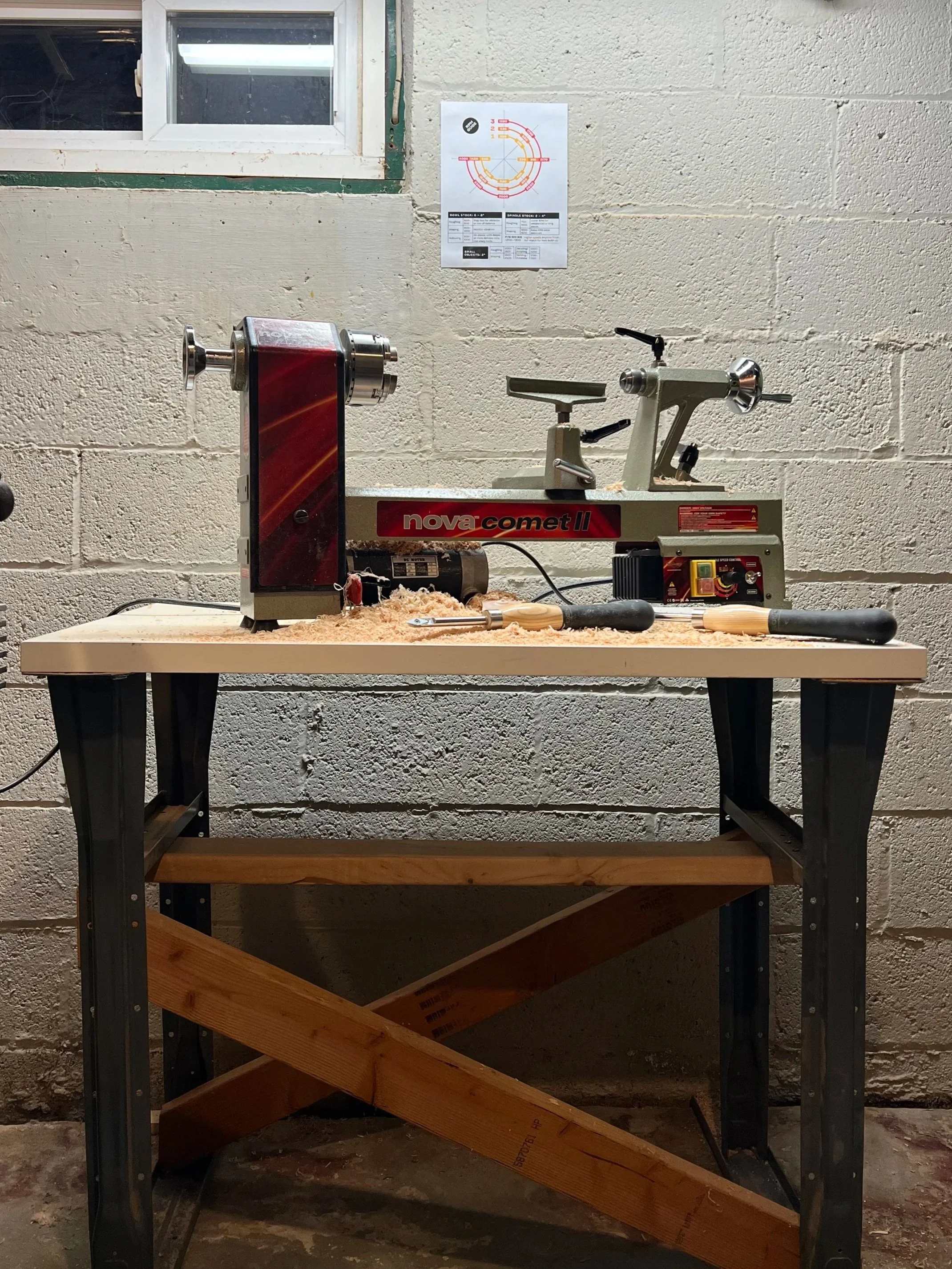
I believe in the act of working with our hands and aim to help people rediscover the joy of creating with physical materials. I’m no Luddite, but as our lives become increasingly digital, it’s important to remember the foundations of human excellence. I enjoy teaching what I love and making objects the slow way, one at a time.
“Trust thyself: every heart vibrates to that iron string.”
Ralph Waldo EmersonMy Story
For eighteen years, I was a designer and faculty at a New York City art college—until my priorities quietly diverged from the institution’s, and I left for what actually brings me joy: working with my hands and teaching practices that are getting lost as more of life moves online. Years half-buried in books on Buddhism and psychology left me with one word I still carry—groundlessness—and a belief that leaving comfort behind isn’t a failure; it’s sometimes necessary. These days, that shows up in odd jobs, a classroom, a piece of hardwood turned until it finds its shape. Different work, same instinct: prioritize the journey, welcome the detours, and don’t let perfection get in the way.
A Unique Opportunity
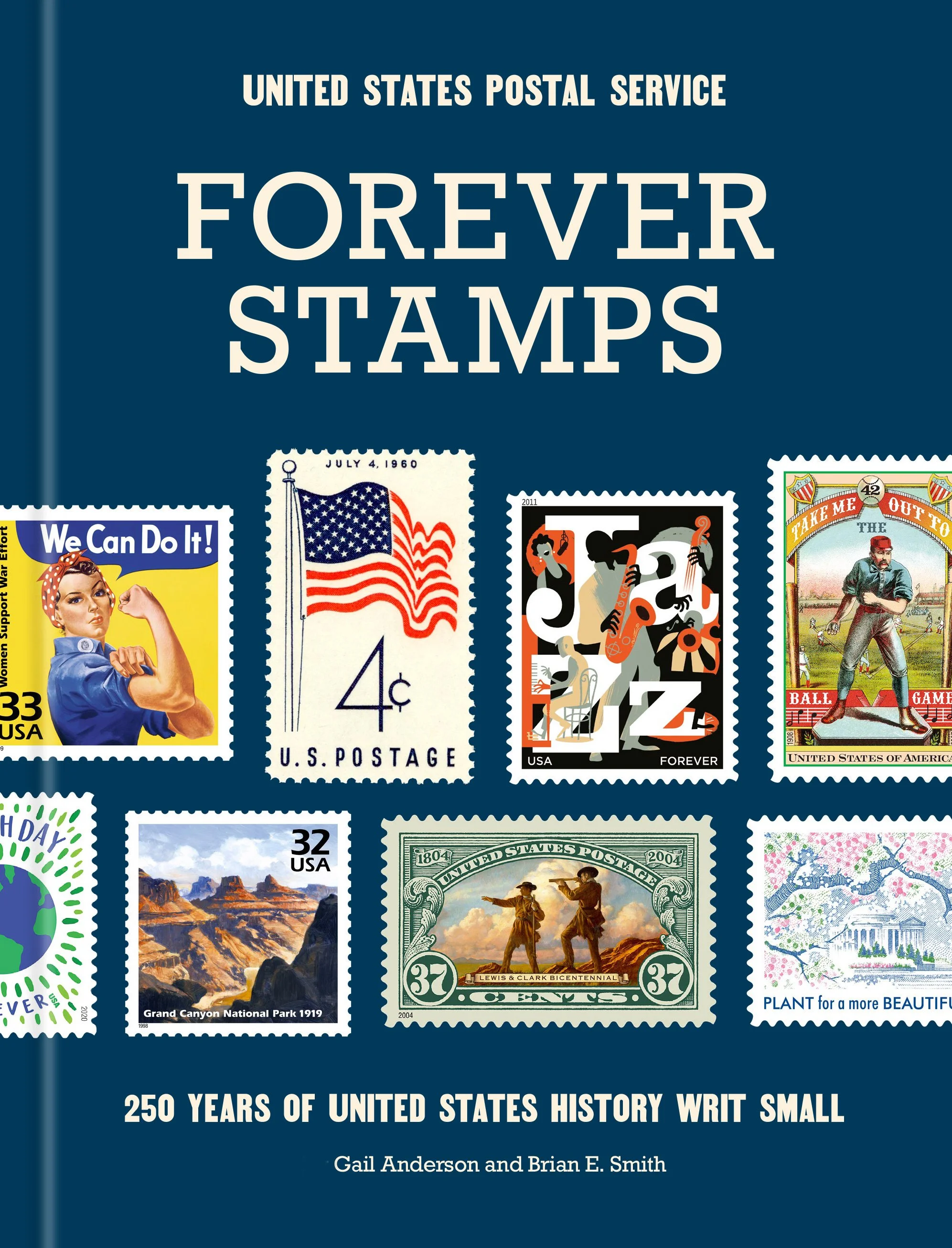
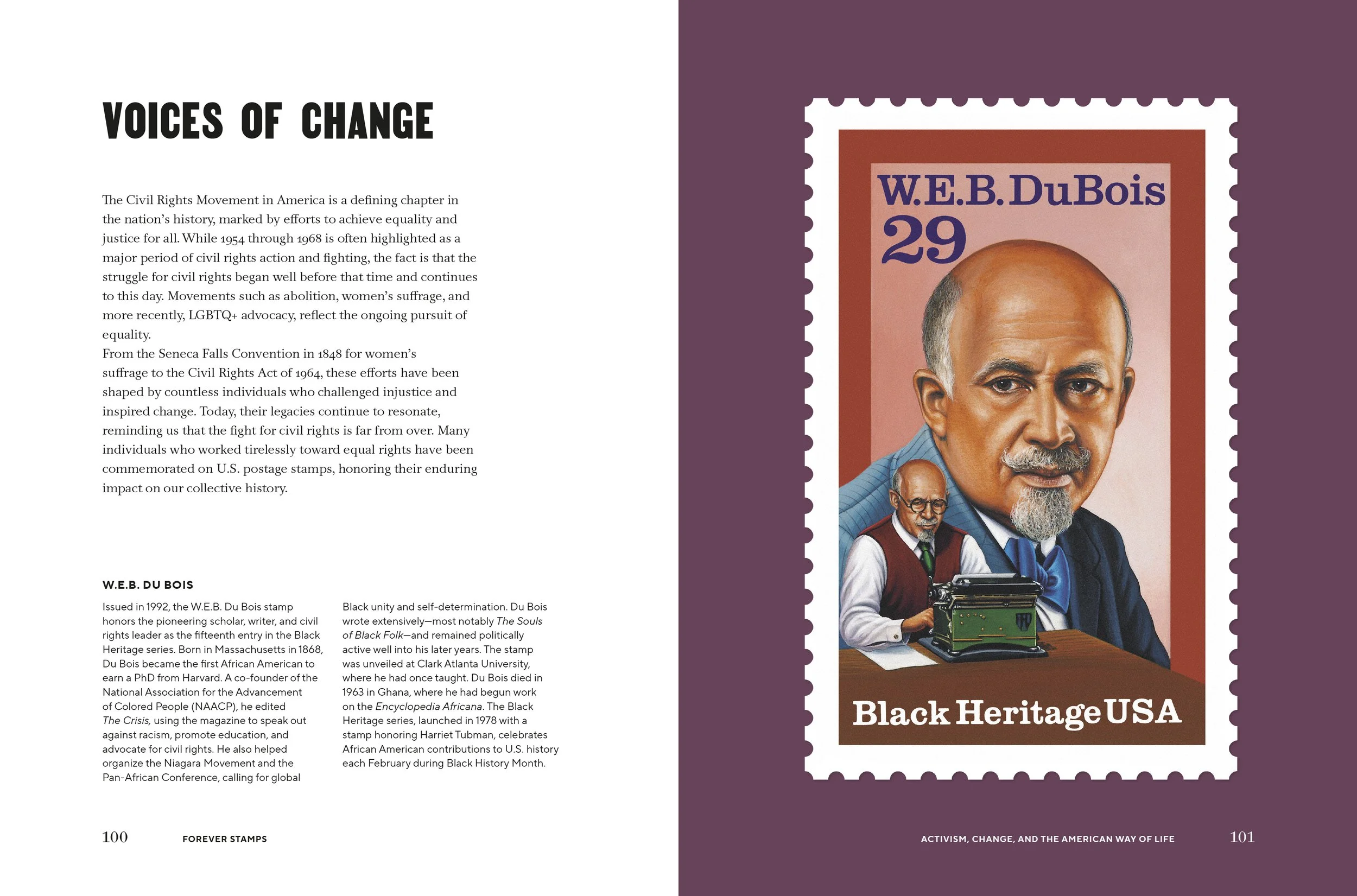
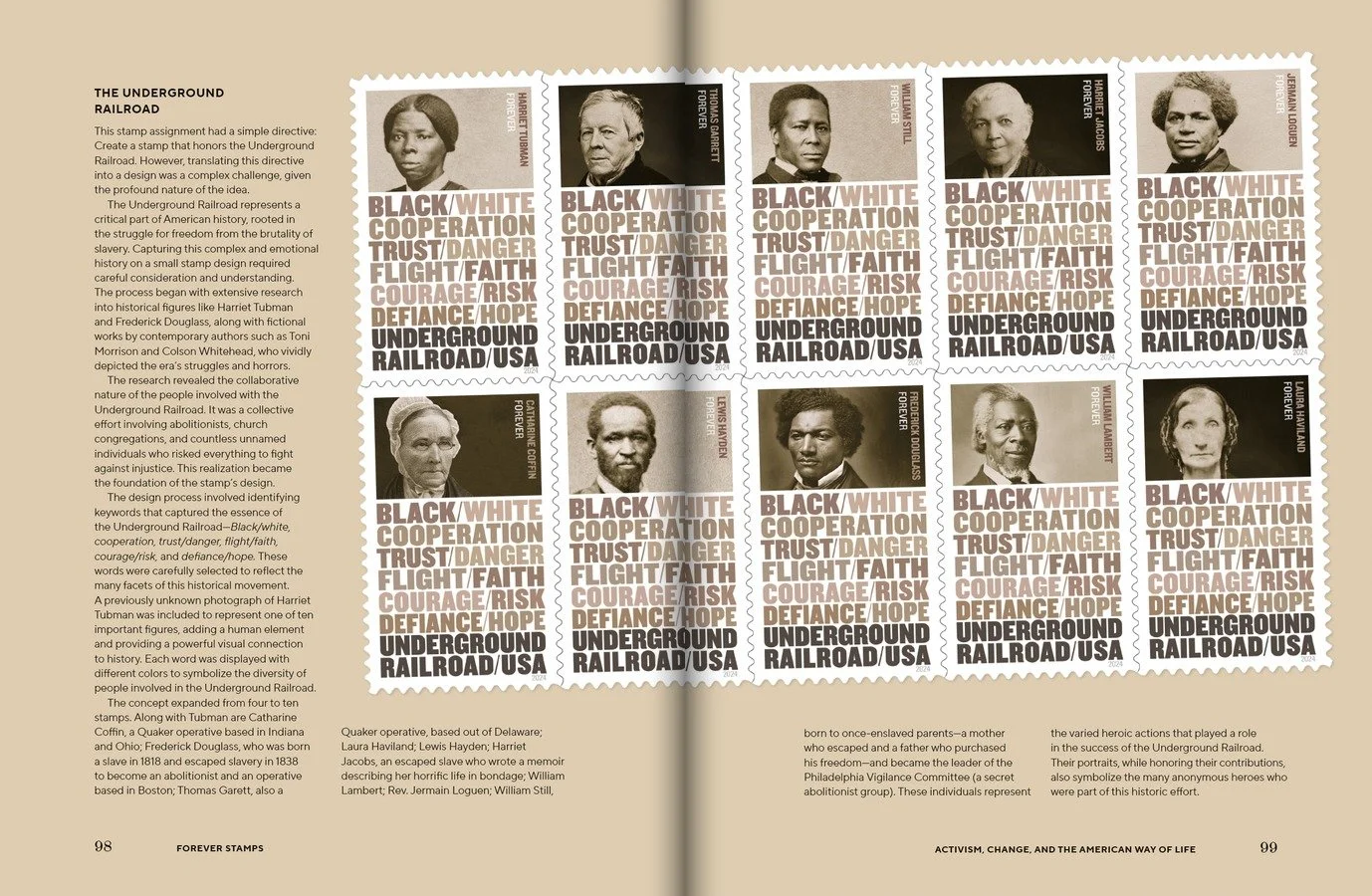
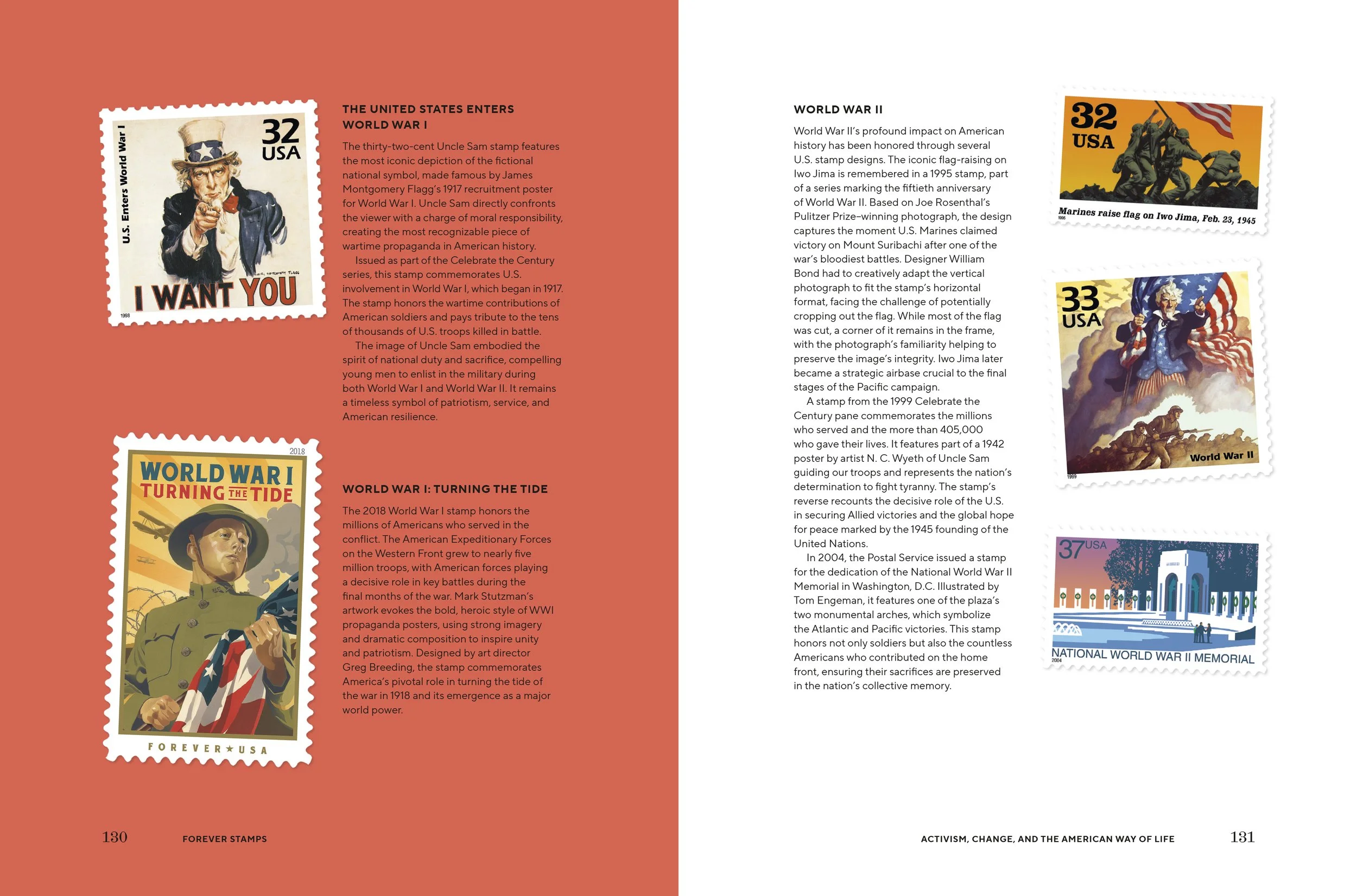
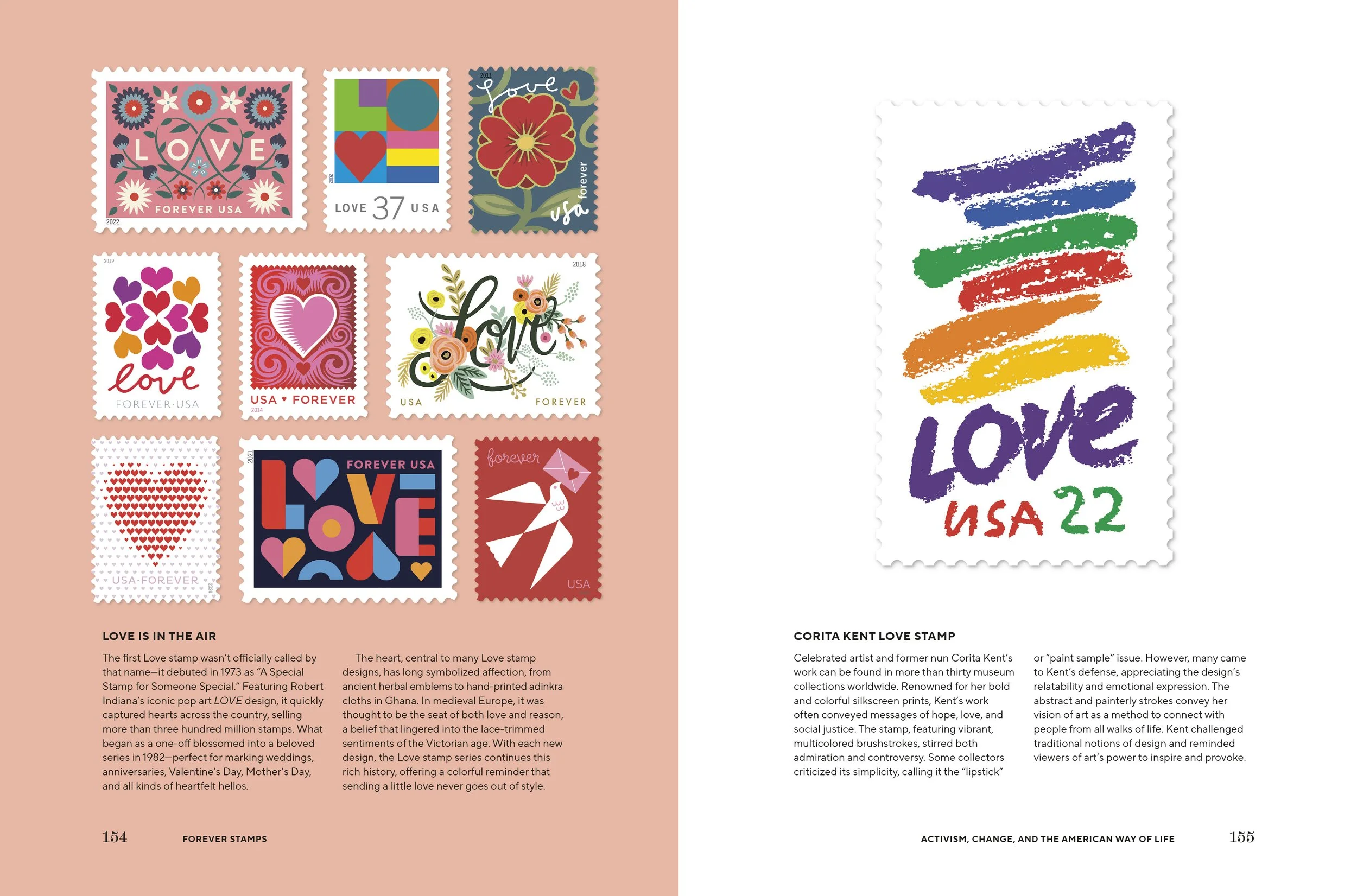
My longtime colleague from SVA, Gail Anderson, served for years on the U.S. Postal Service’s Citizens’ Stamp Advisory Committee and invited me to co-author Forever Stamps with her—a book tracing 250 years of American history through the postage stamp, from Elvis and Sesame Street to the Voting Rights Act and the Underground Railroad. It was a genuinely rare opportunity, and one that gave me real confidence as a writer and editor, not just a designer who occasionally writes.
What I Believe
Somewhere along the way, a thought took root: the things we make by hand are more interesting when they show their history—a wooden bowl’s uneven lip isn’t a mistake; it’s evidence. There’s a word for that in Japanese aesthetics: wabi-sabi, beauty in the imperfect and plainly made. It’s also why I care more about the getting-there than the arriving—a finished piece is just a snapshot of the hours spent making it, listening to the material, adjusting instead of forcing. The same instinct runs through everything I do: demystifying a process matters more than performing expertise.
“The pitcher cries for water to carry and a person for work that is real.”
Marge PiercyWhat I’m Looking For
I’m looking for a classroom or workshop where a lesson actually lands, not just gets repeated. A piece of wood that hasn’t yet decided what it wants to be. A shop owner or neighbor with a curious request that just needs a creative touch.
If that sounds like something you're building—a course, a space, a problem worth solving with actual hands—I’d like to hear about it.