Woodworking
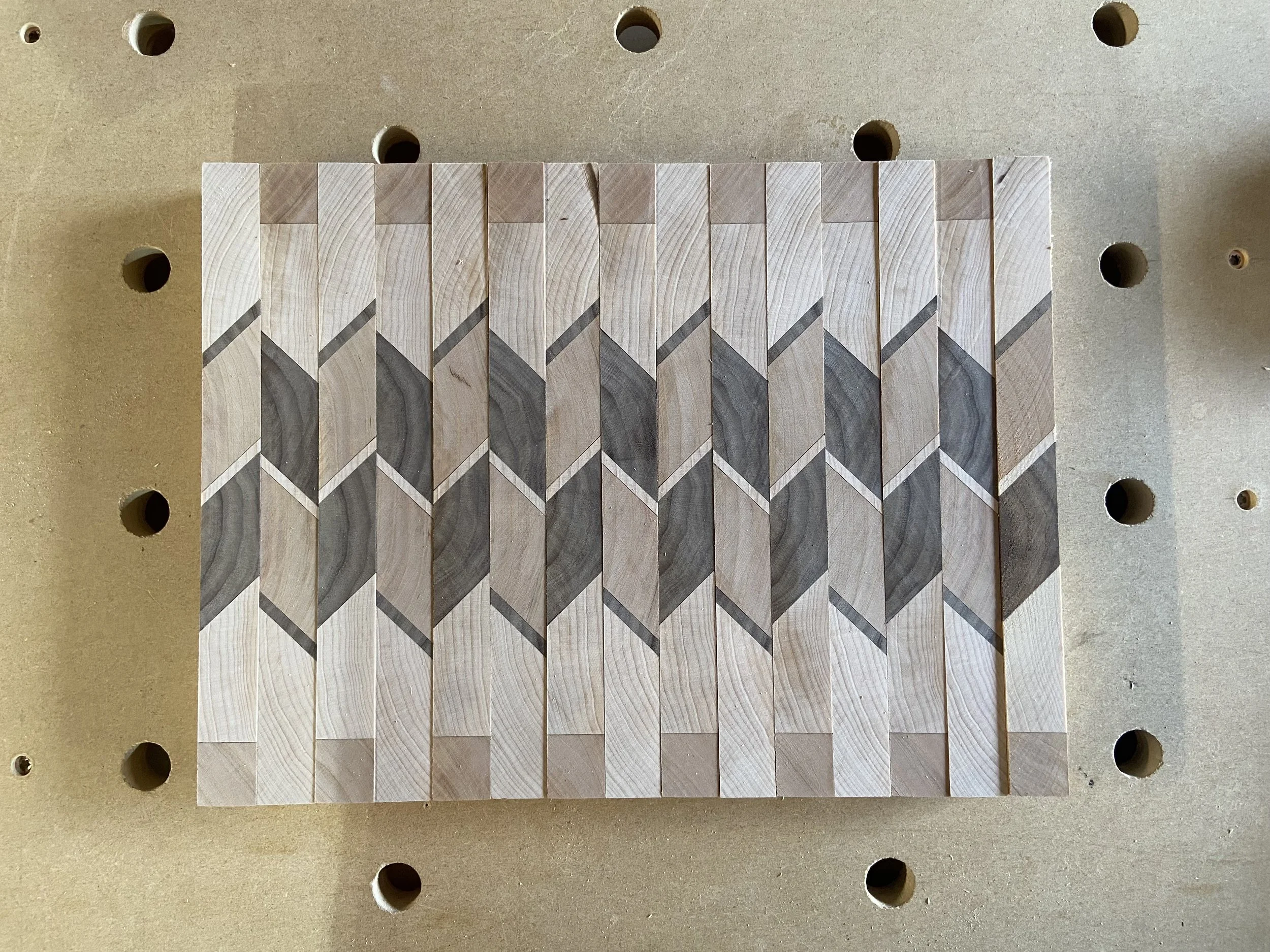
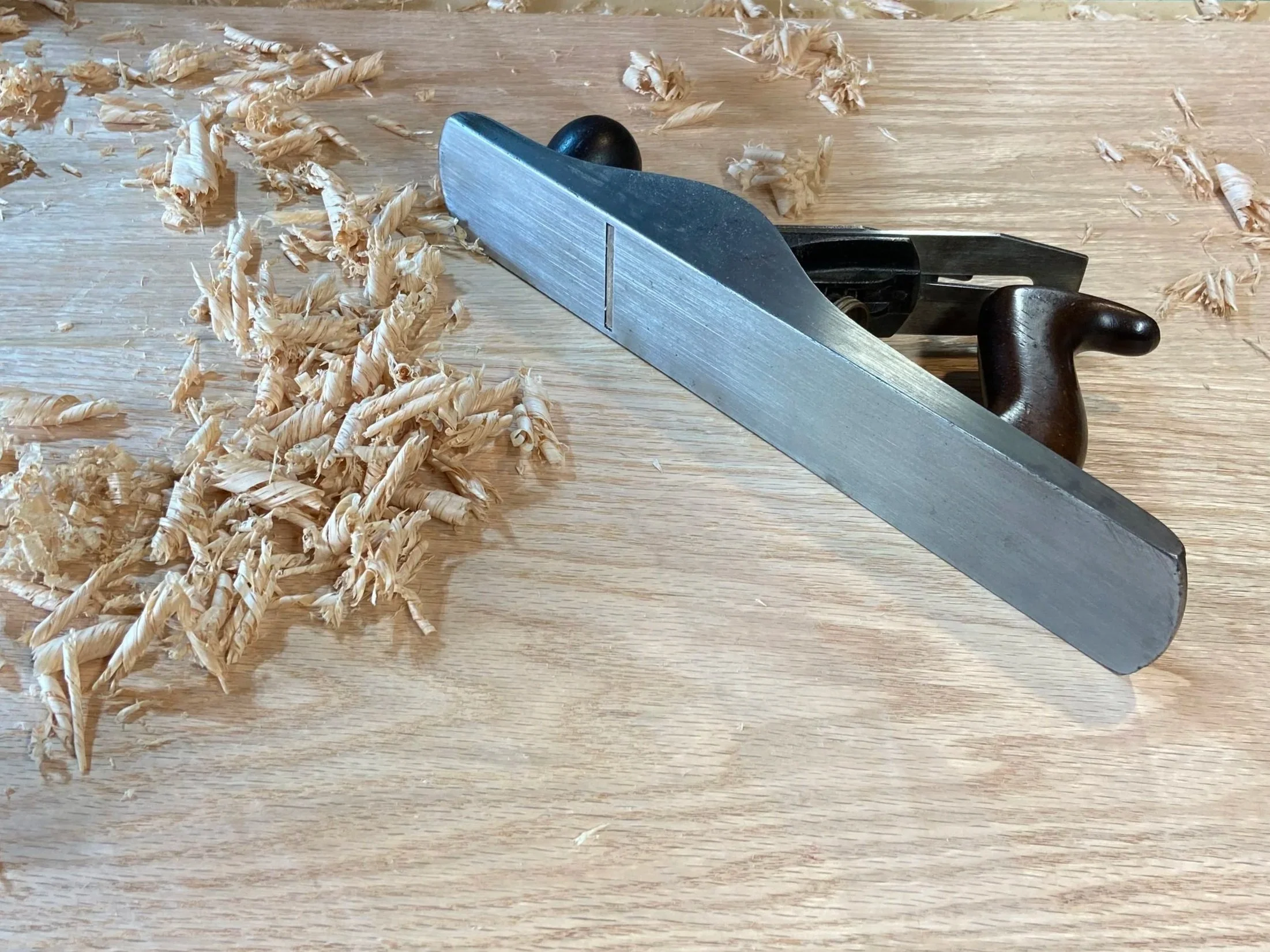
I never intended to go down the woodworking rabbit hole—it grew out of cutting my teeth on DIY home repairs and discovering the joy of problem-solving away from a desk, with my hands instead of a screen. My approach embraces mistakes and imperfections rather than smoothing them away: I’d rather highlight a plywood edge’s natural layers than cover them with banding, and I like knots and defects left in, not scrubbed away.
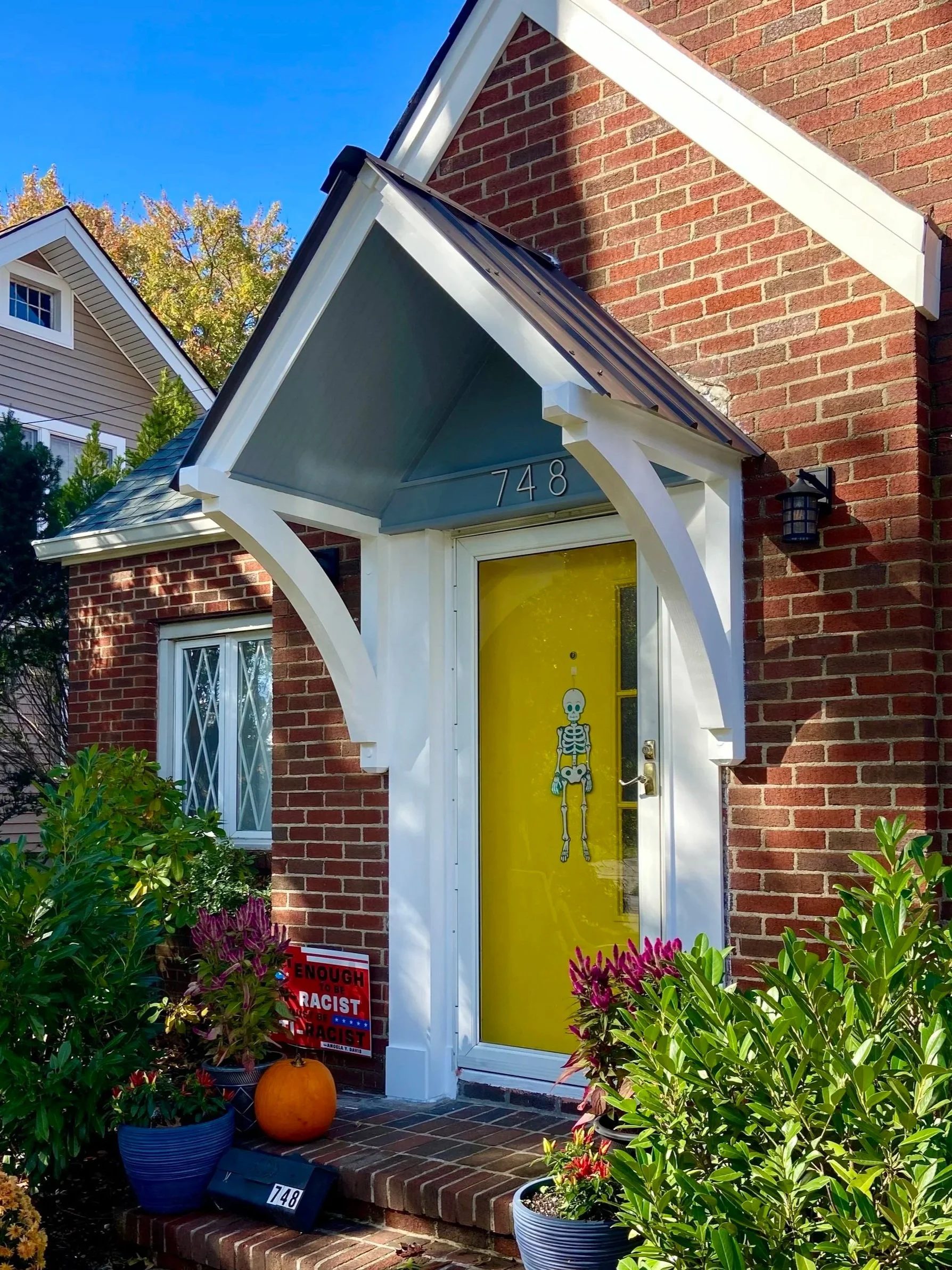
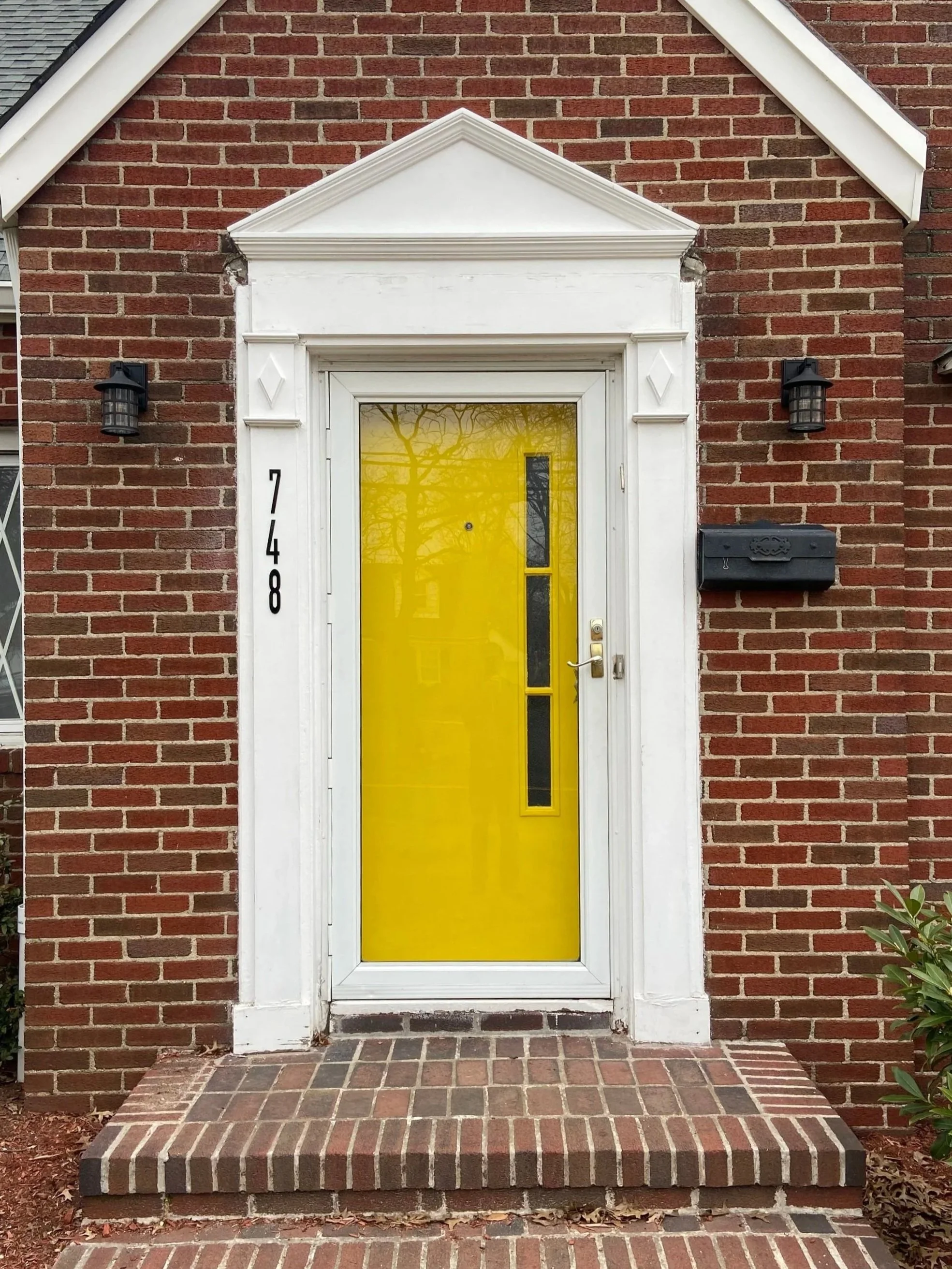
Before
My Journey
I always disliked the flat, nondescript entryway of the home we bought in 2017, so during COVID I decided to rebuild it myself—with no idea what I was doing and a set of borrowed tools. What followed was daunting, scary, and exhilarating in equal measure: surprises at every stage, more patience required than I expected, and a real lesson in how hard it is to actually plan a project like this. But I finished with a portico I was immensely proud of.
“Even the common articles made for daily use become endowed with beauty when they are loved.”
Soetsu YanagiThings I’ve Made
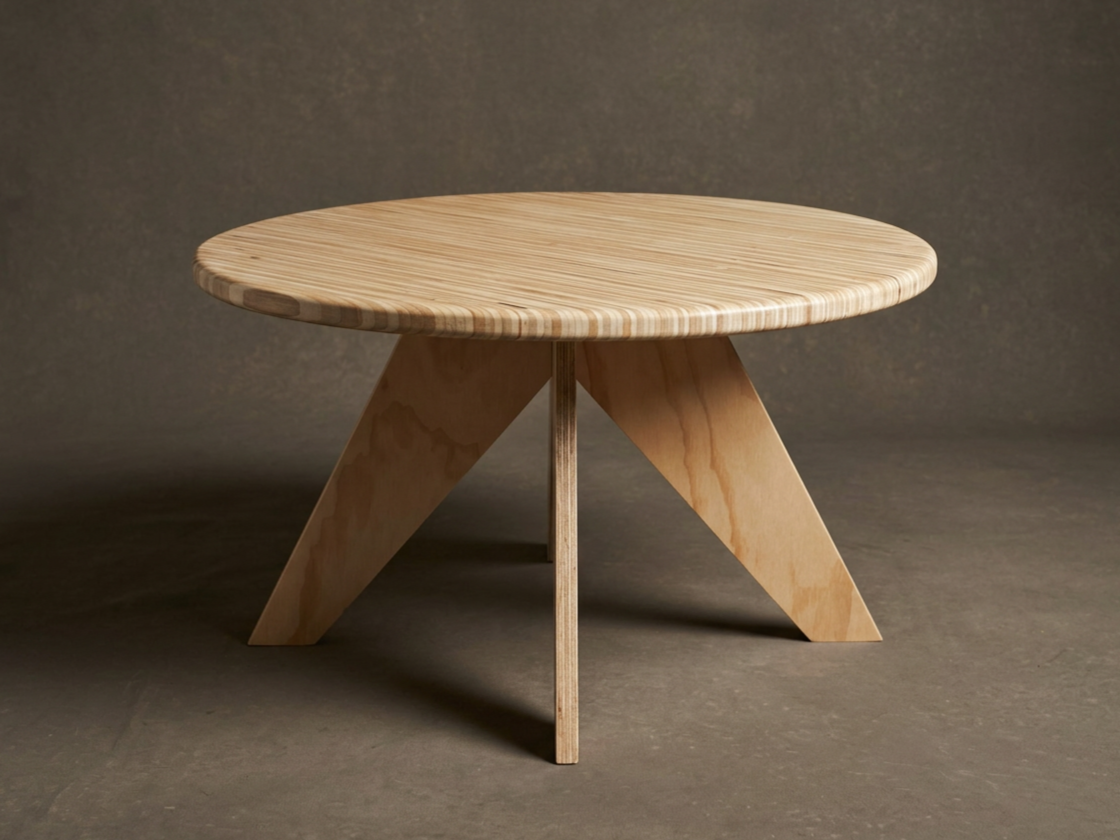
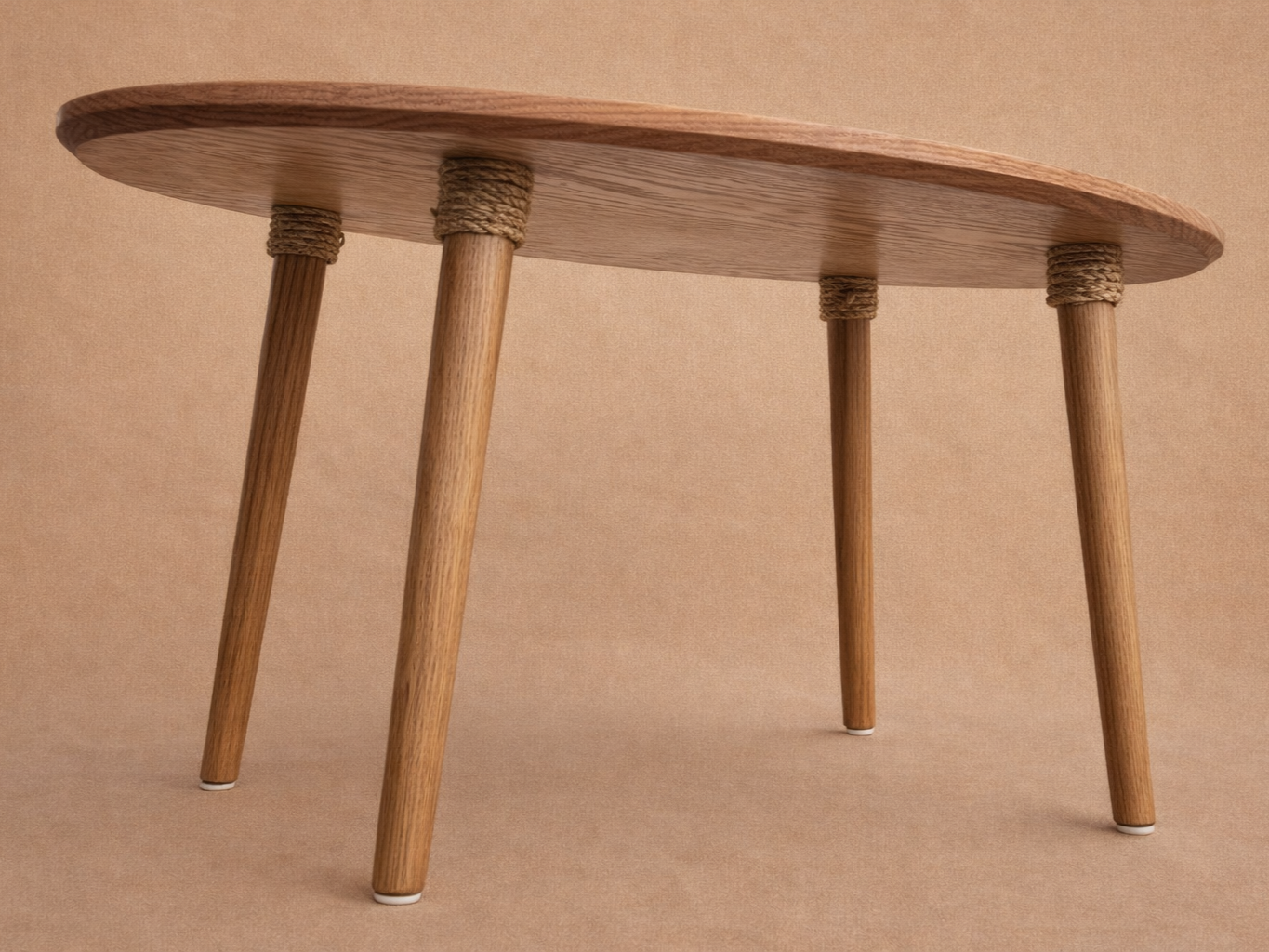
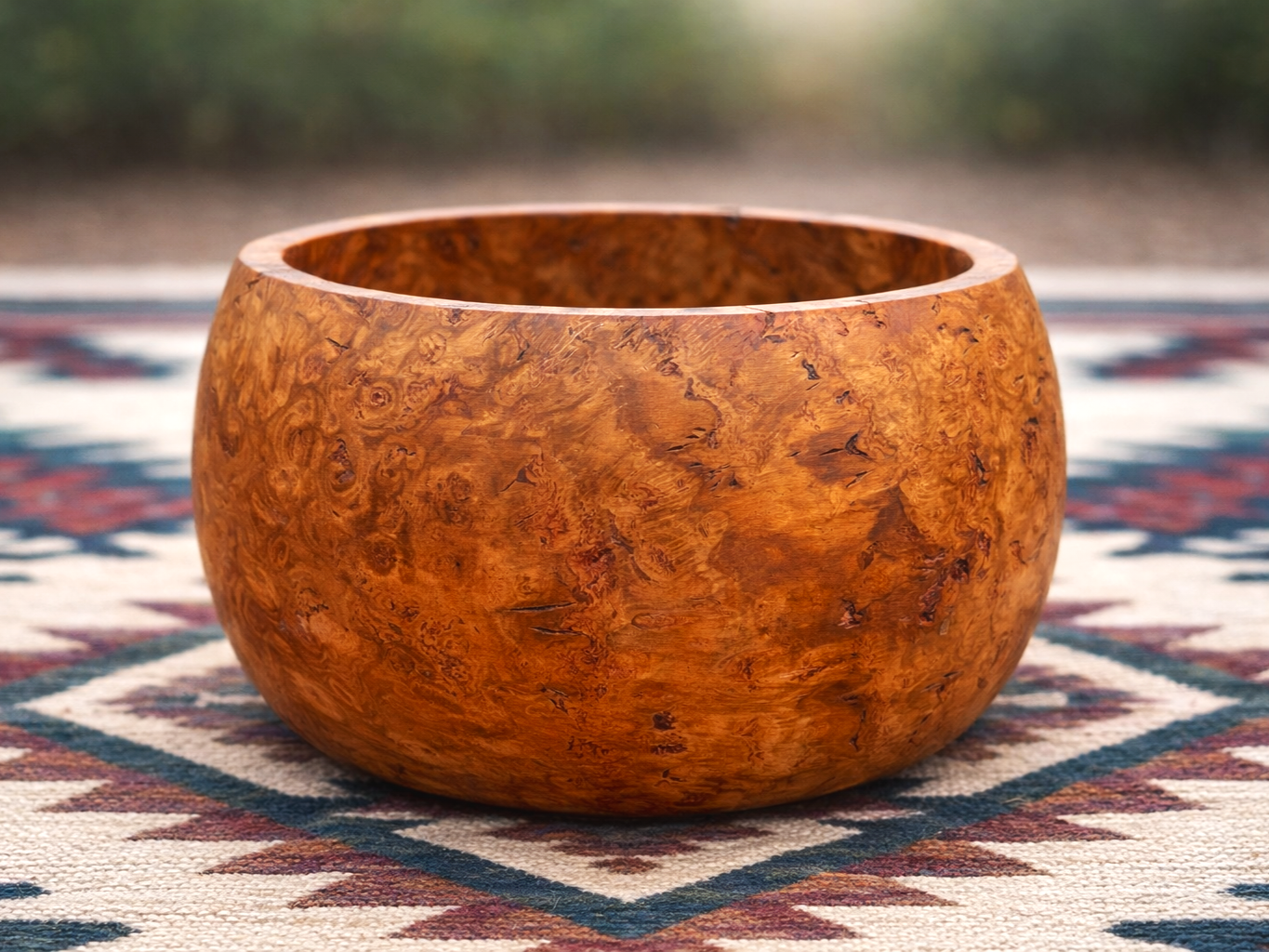
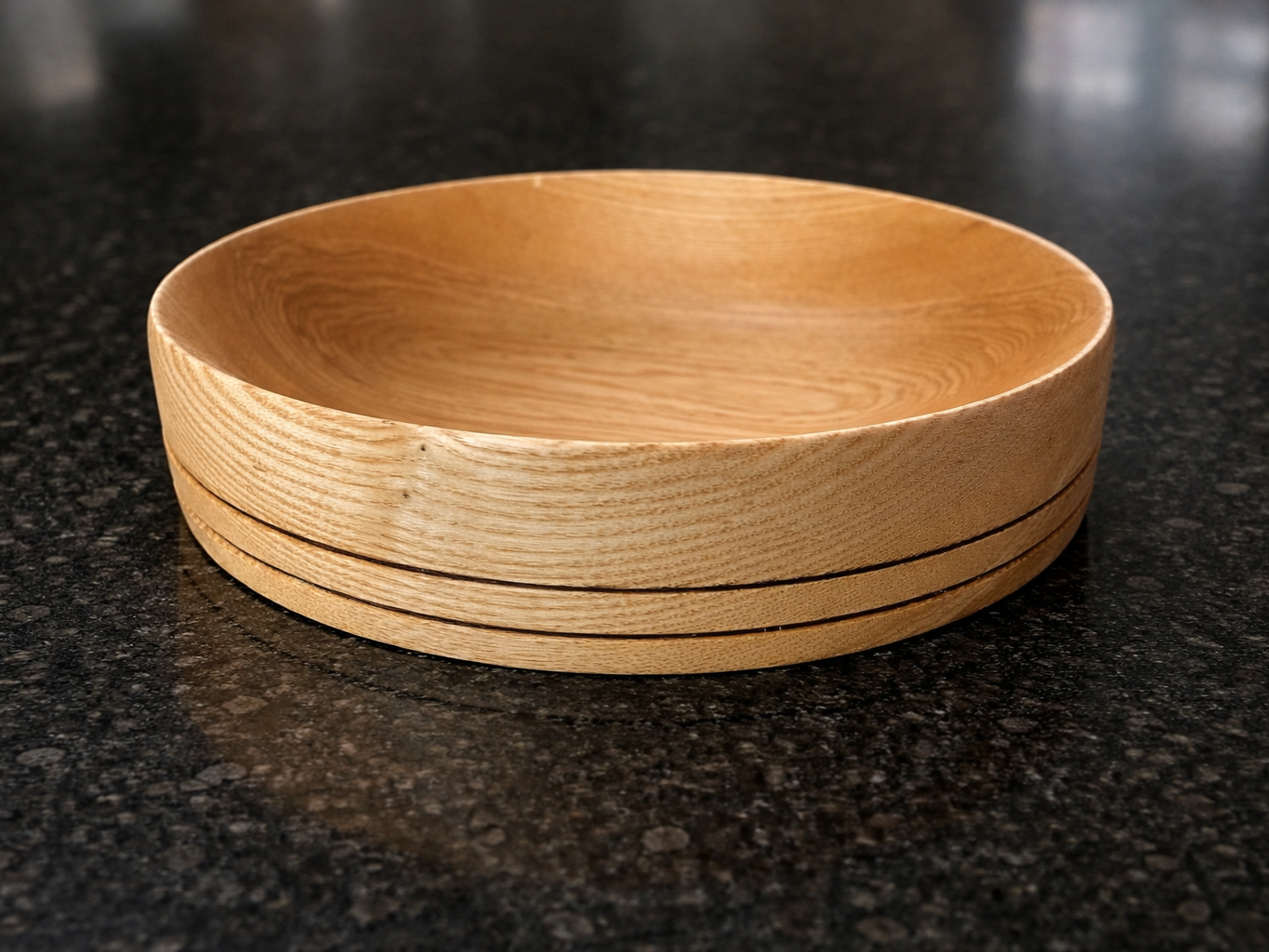
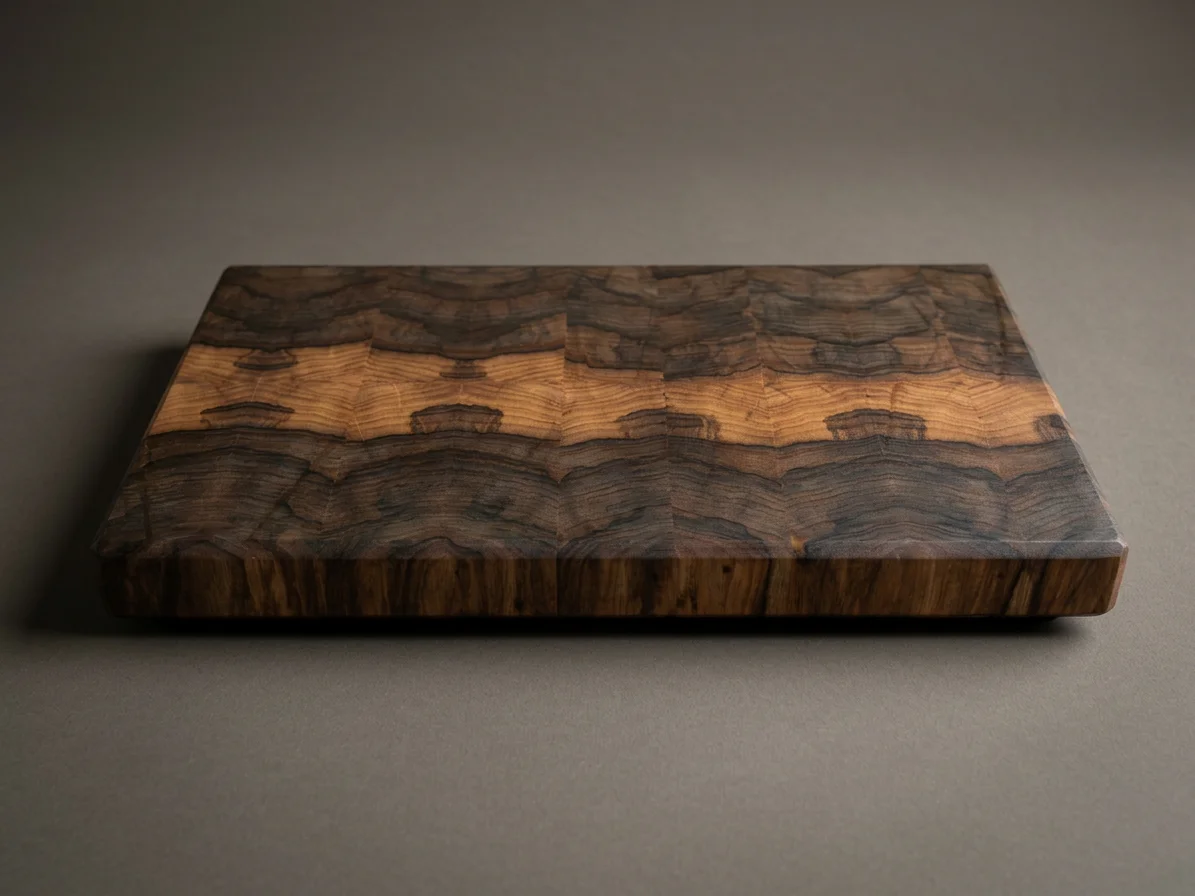
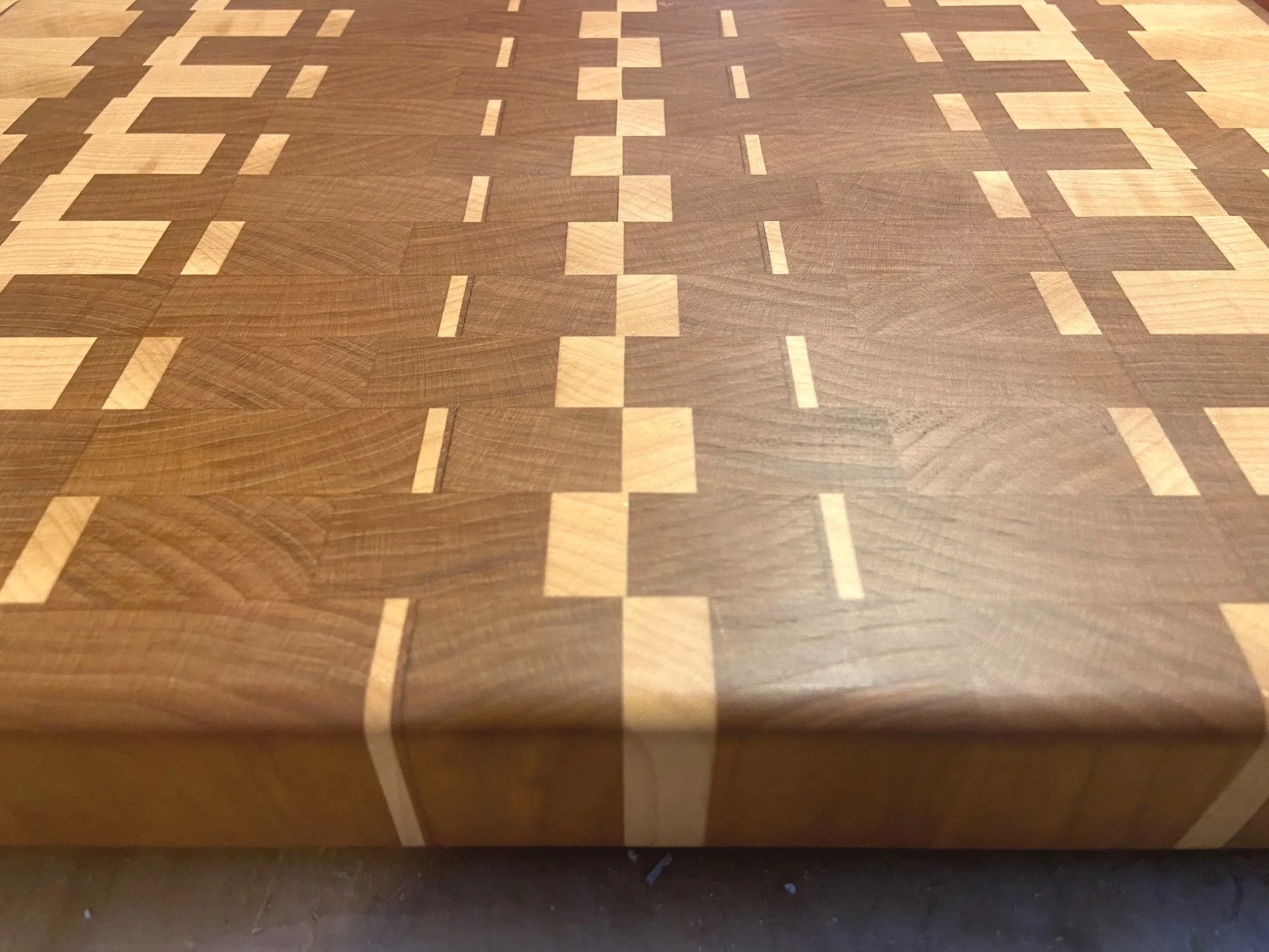
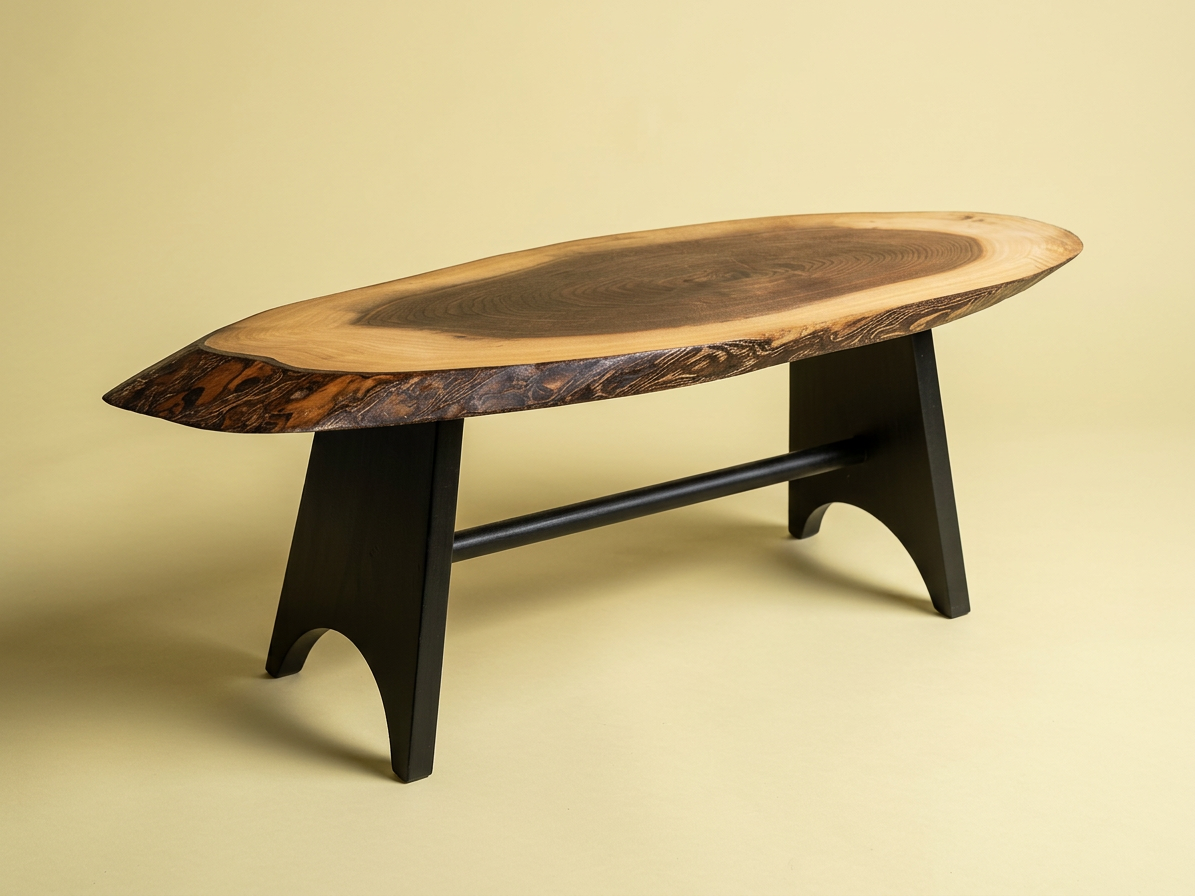
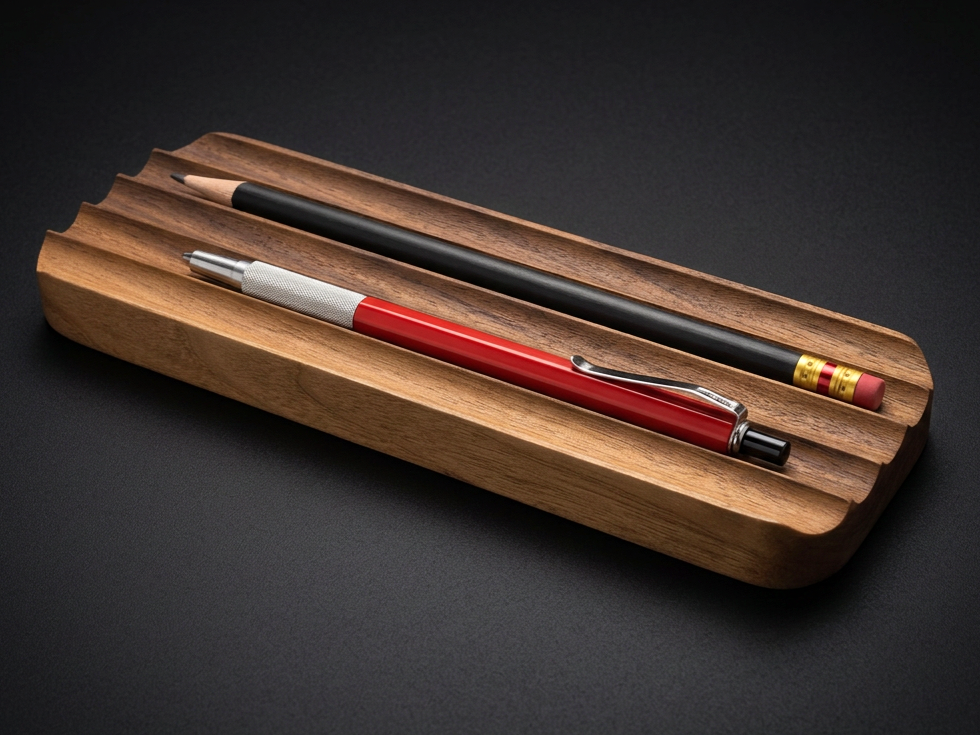
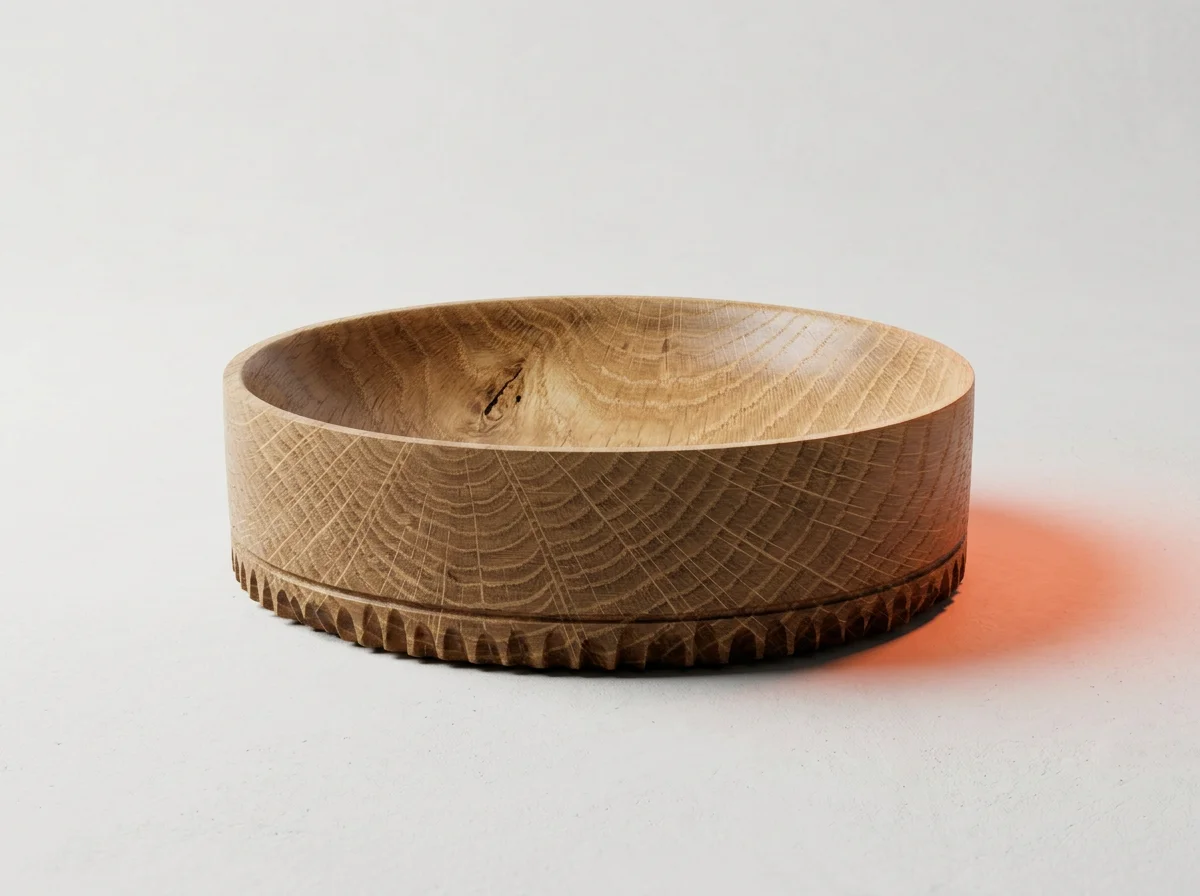
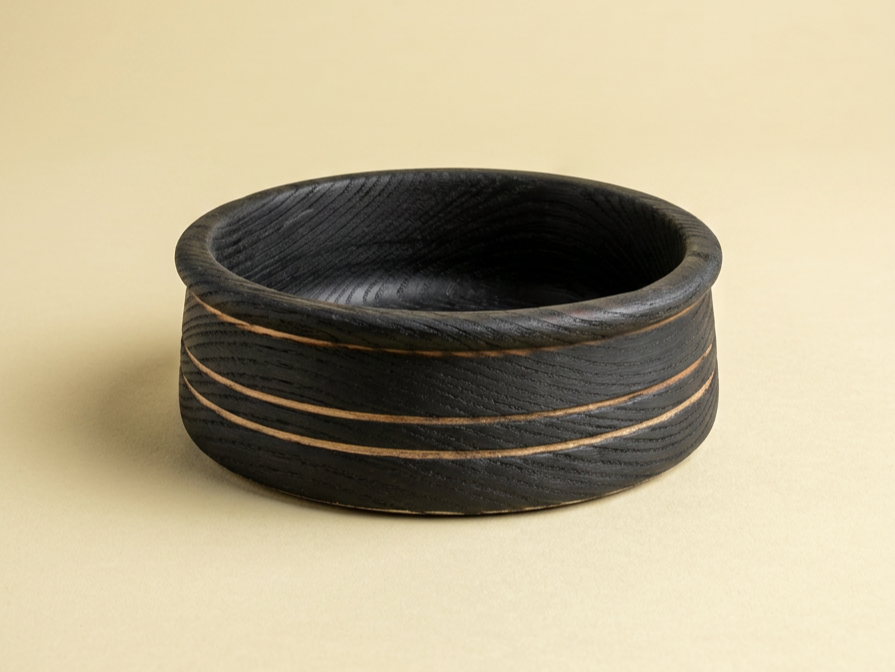
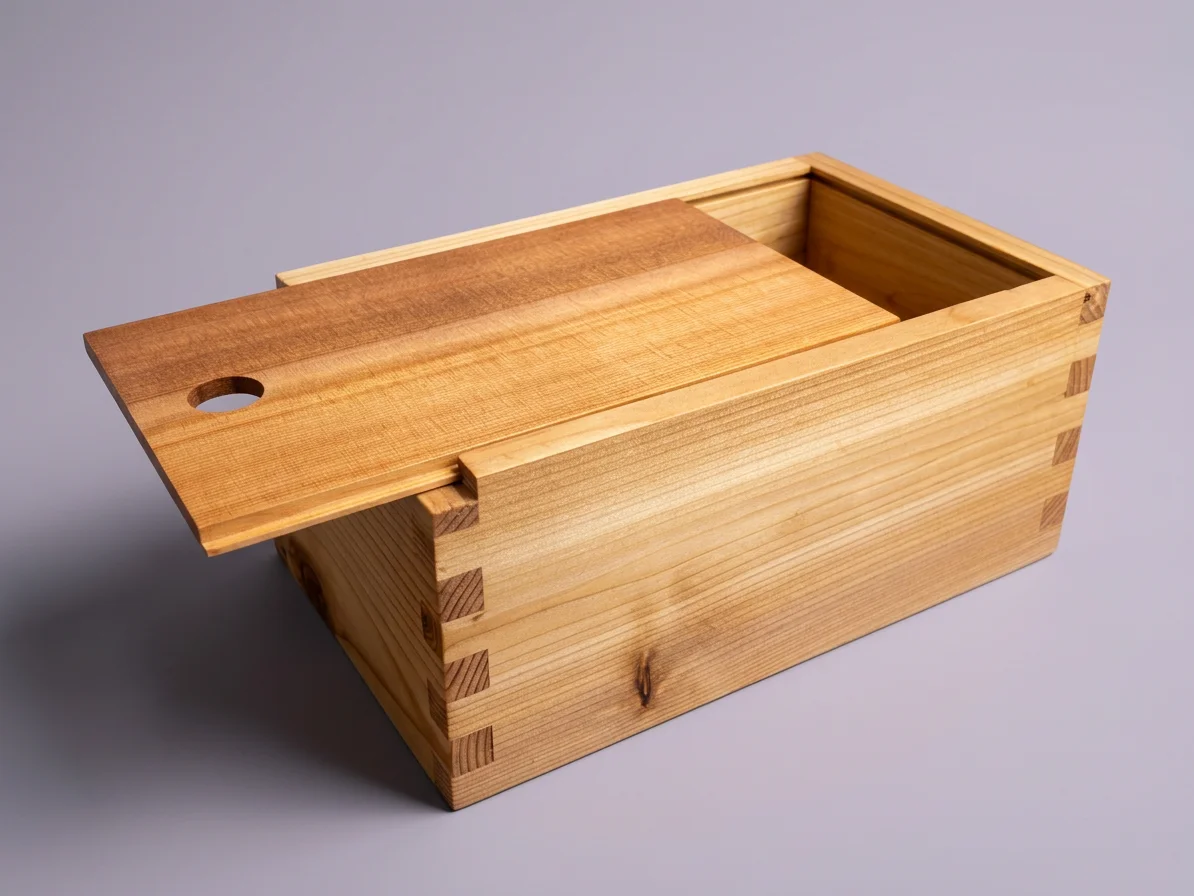
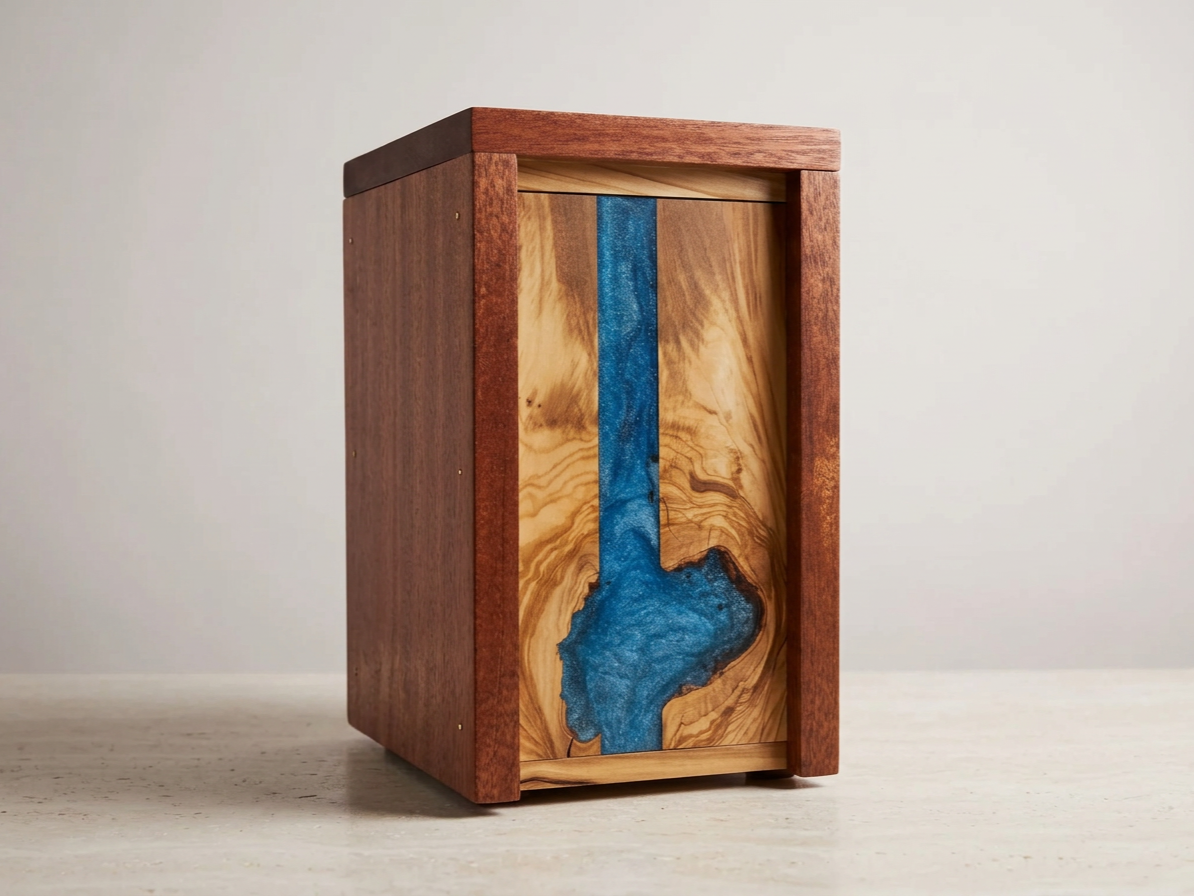
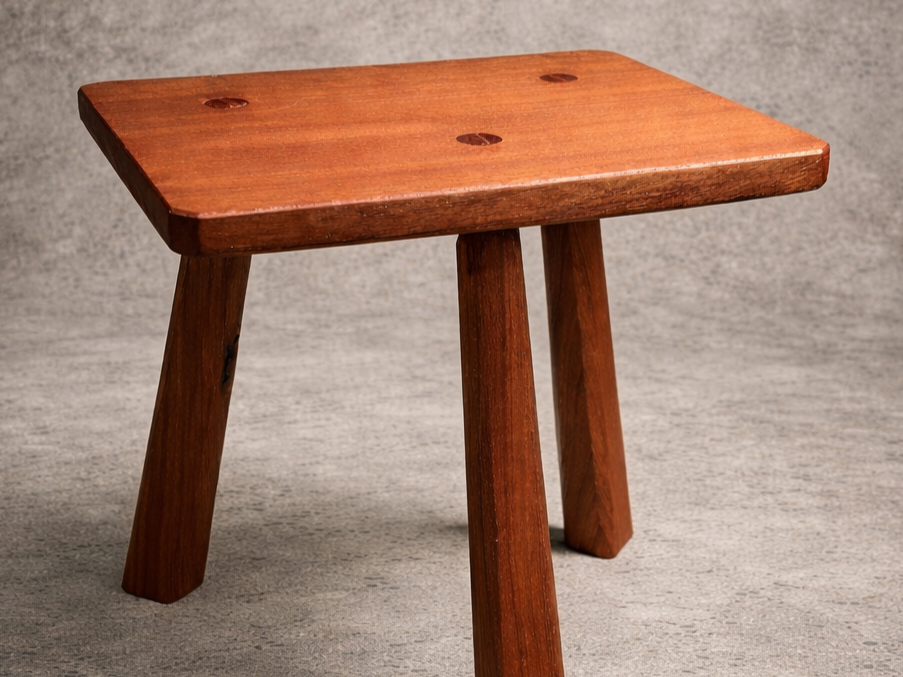
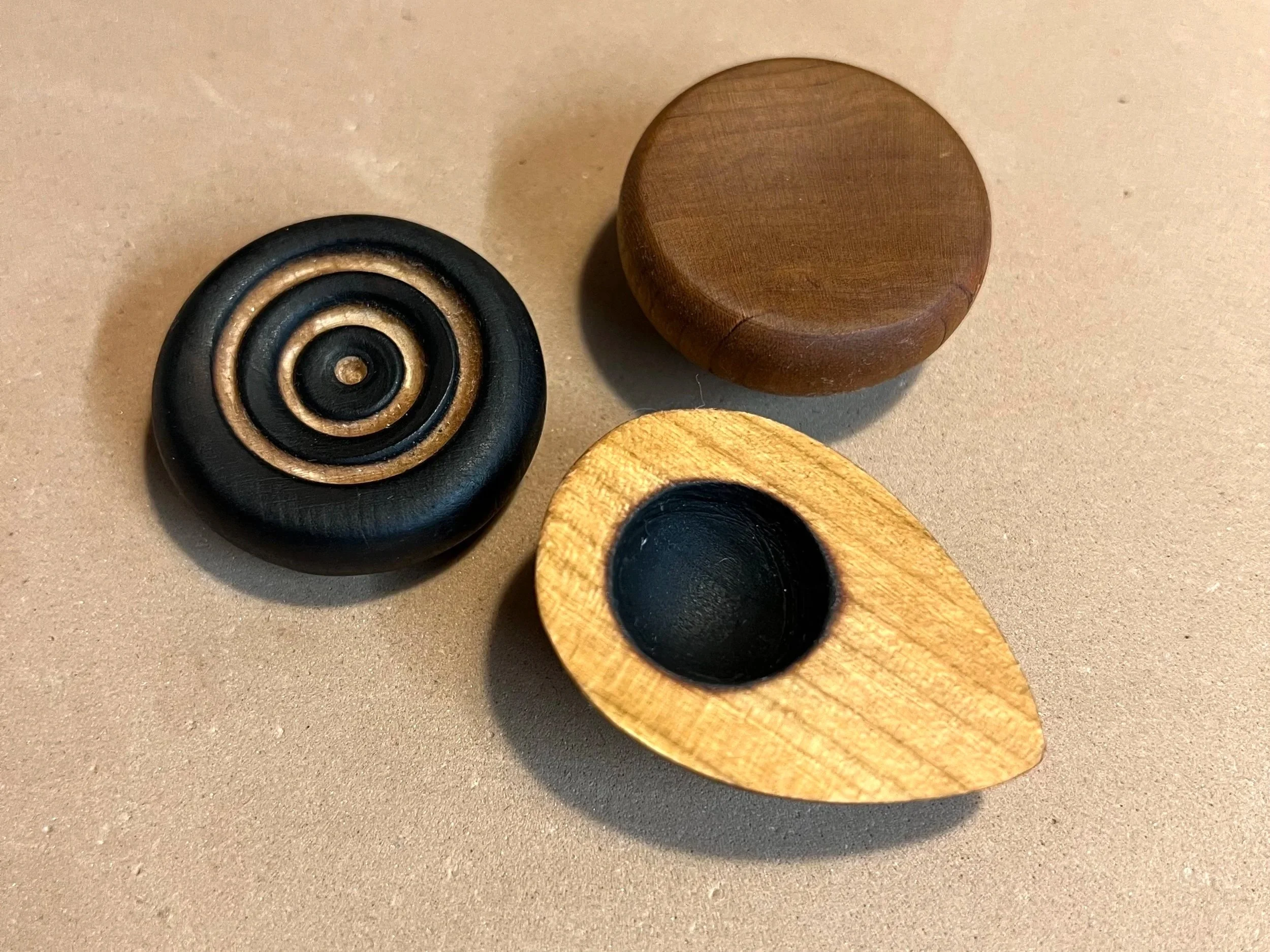
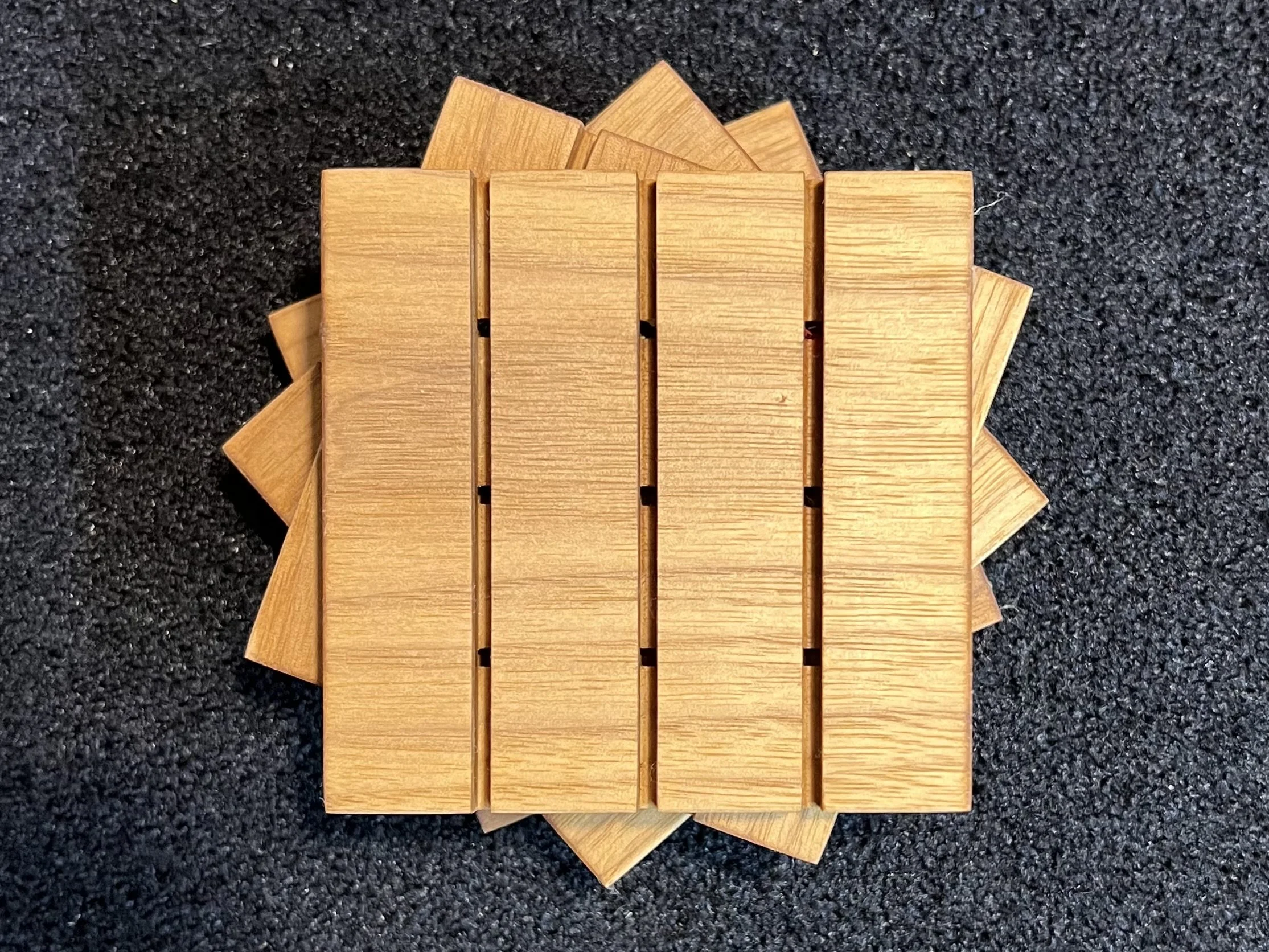
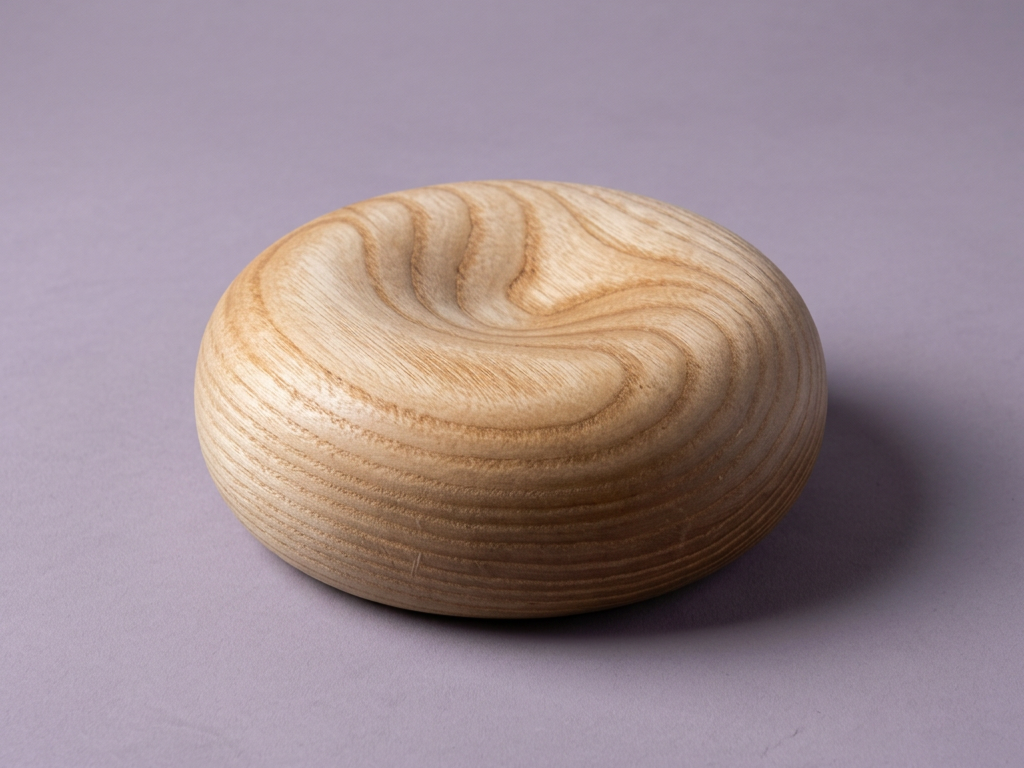
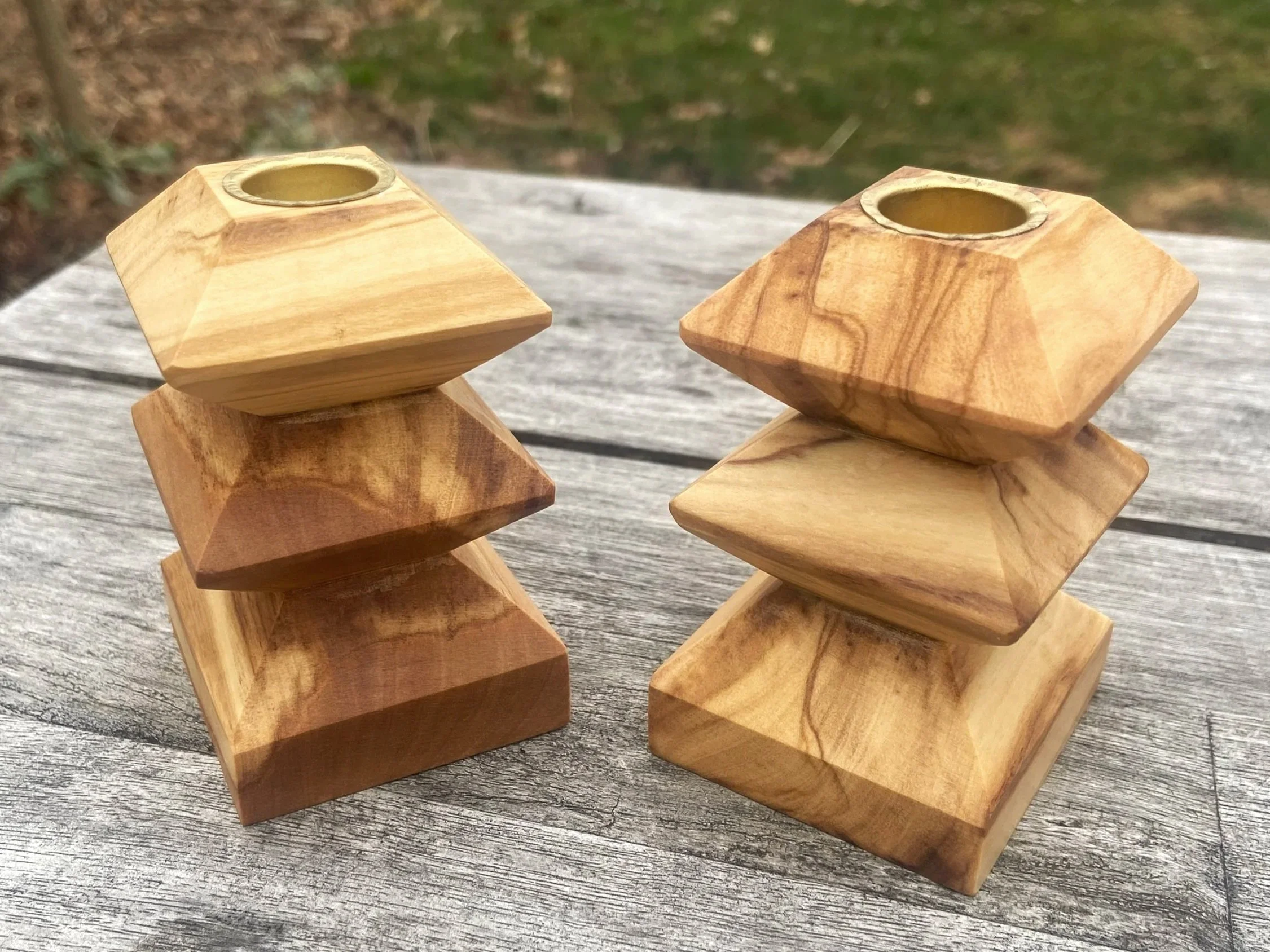
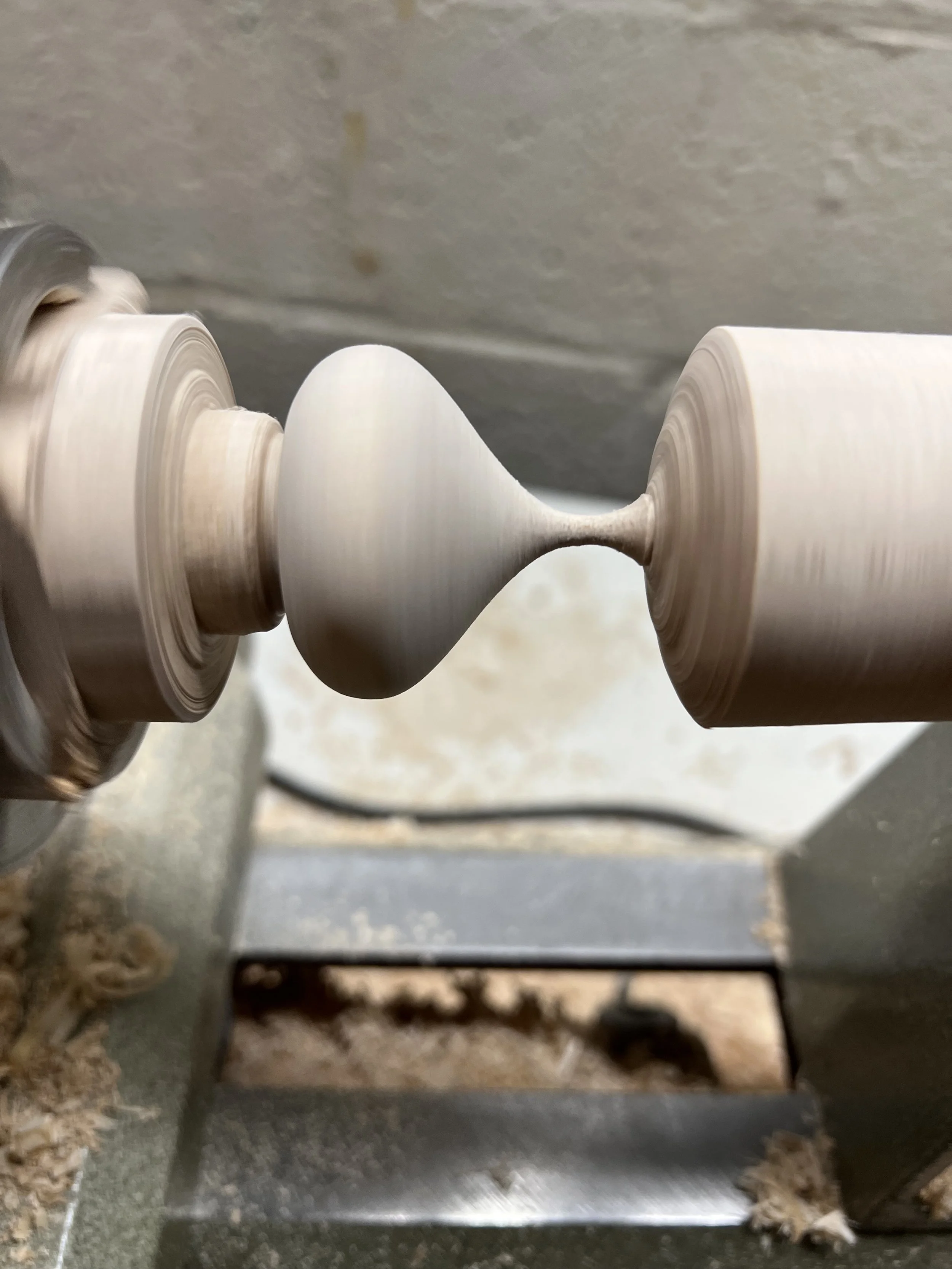
Most of what I make is small—the largest pieces are modest coffee tables, the smallest are wooden fidget toys. I’m especially drawn to the lathe: turning bowls, toy tops, whatever the wood seems willing to become. Often I’ll head to the shop with no plan at all, grab some scrap, and just think about what could come from it—something unexpected, unique, simple. The tool itself has a say in what’s possible, too. Its limits shape my decisions, so the process ends up feeling less like me directing the material and more like a collaboration between me, the wood, and whatever tool is in my hand.
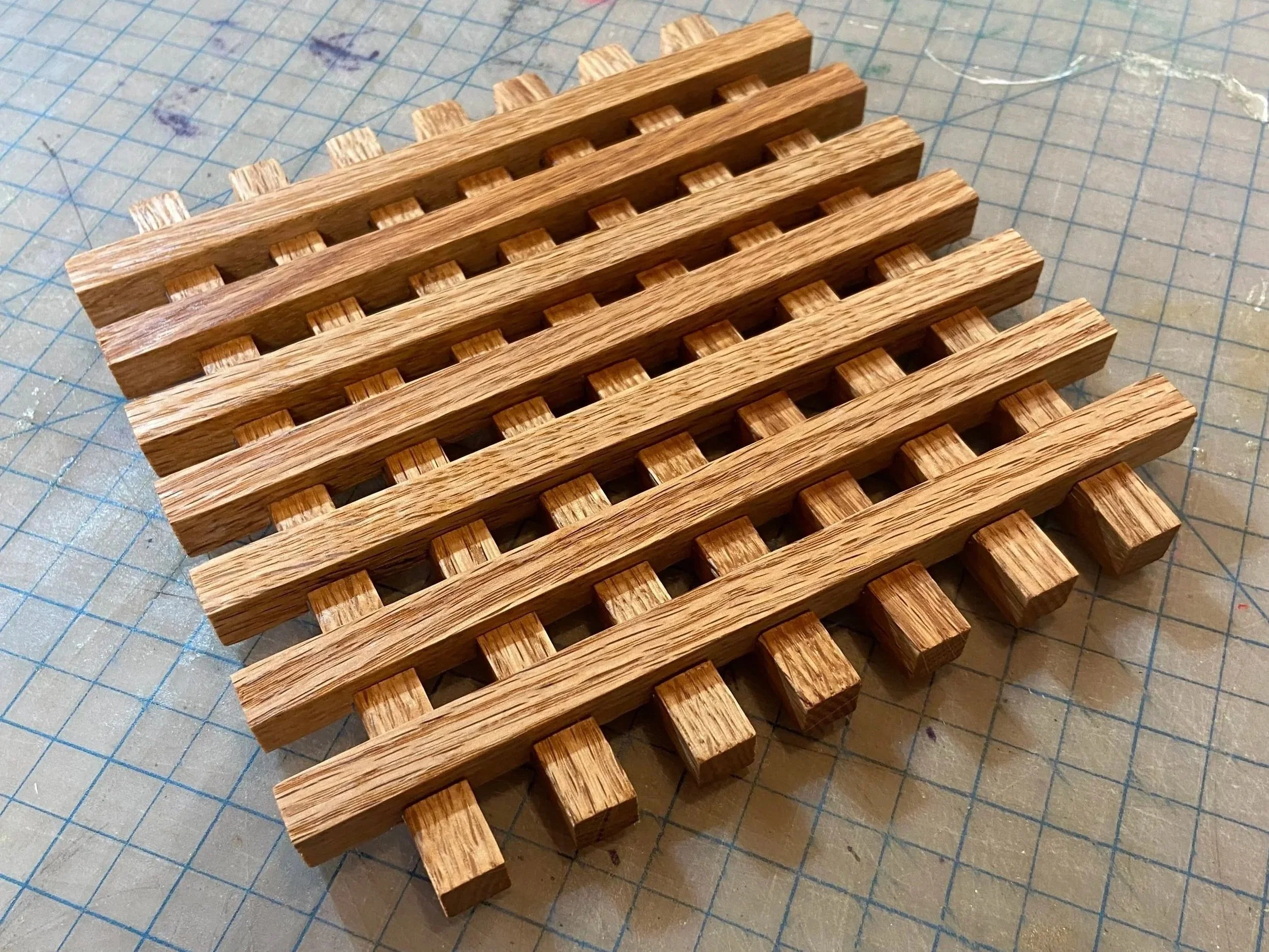
Case StudyPencil Exchange
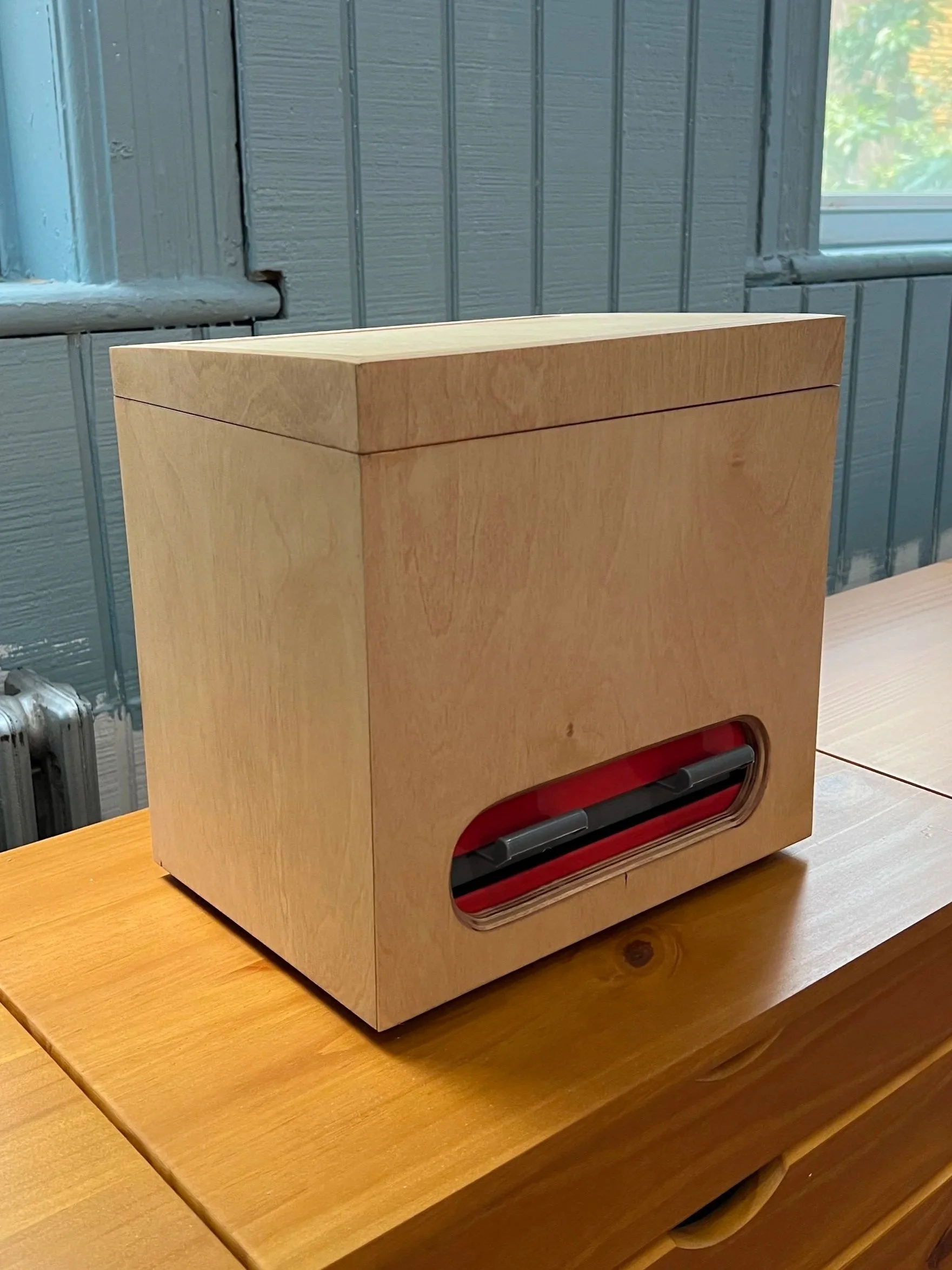
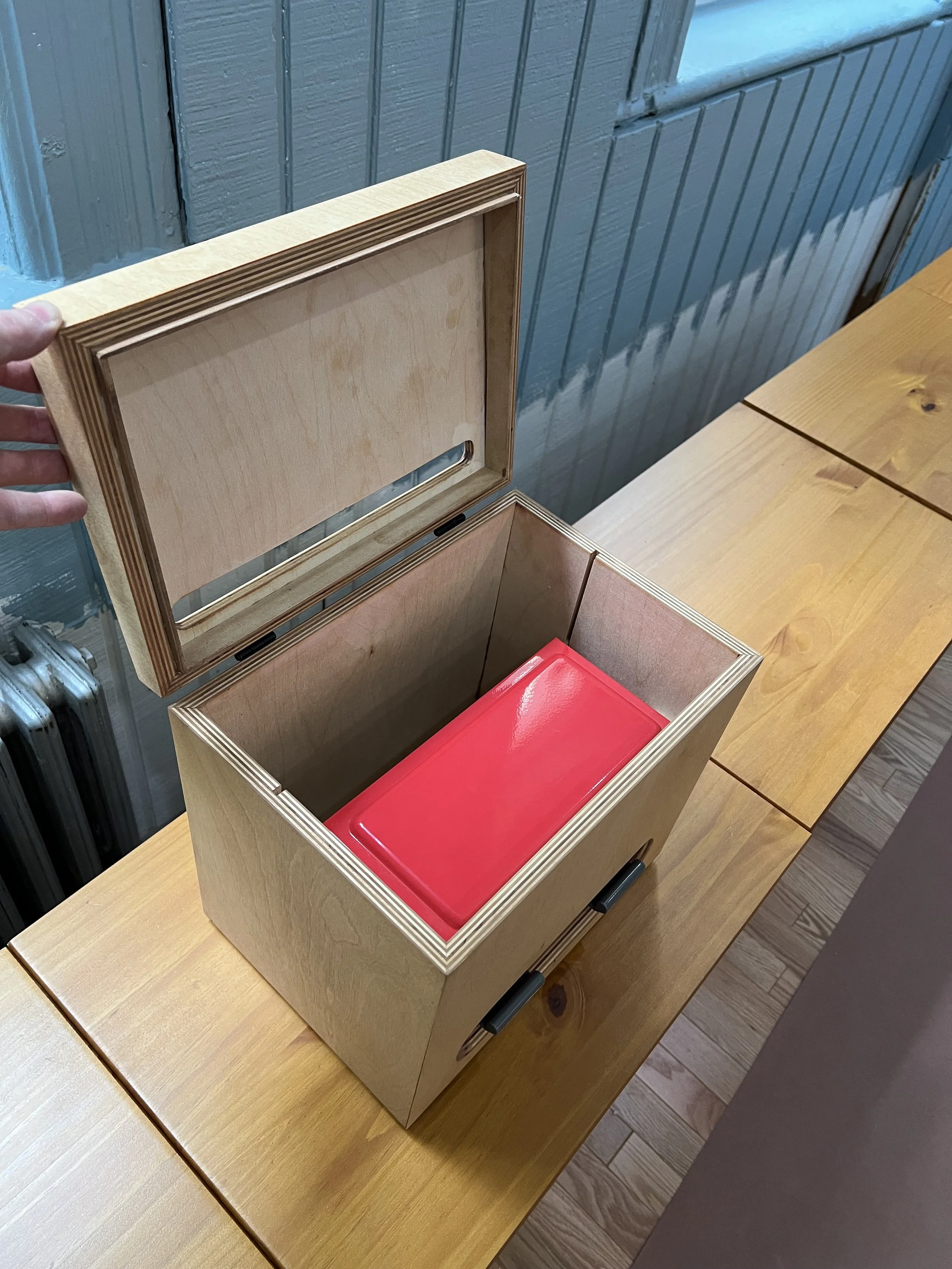
Busman’s Holiday, a fine stationery shop in Nyack, NY, is home to something delightfully specific: the Rockland County Pencil Exchange—the only place in the tri-state area to trade in a worn-down pencil for a fresh one. Owner Sam Potts asked me to fabricate the piece, and it became one of the more fun, collaborative builds I’ve taken on. Inside, an old-school straw dispenser doles out new pencils one at a time, while the retired ones roll down the slanted lid into a hidden compartment—laid to rest, out of sight, having done their job.
“Making is thinking.”
Richard SennettProcess
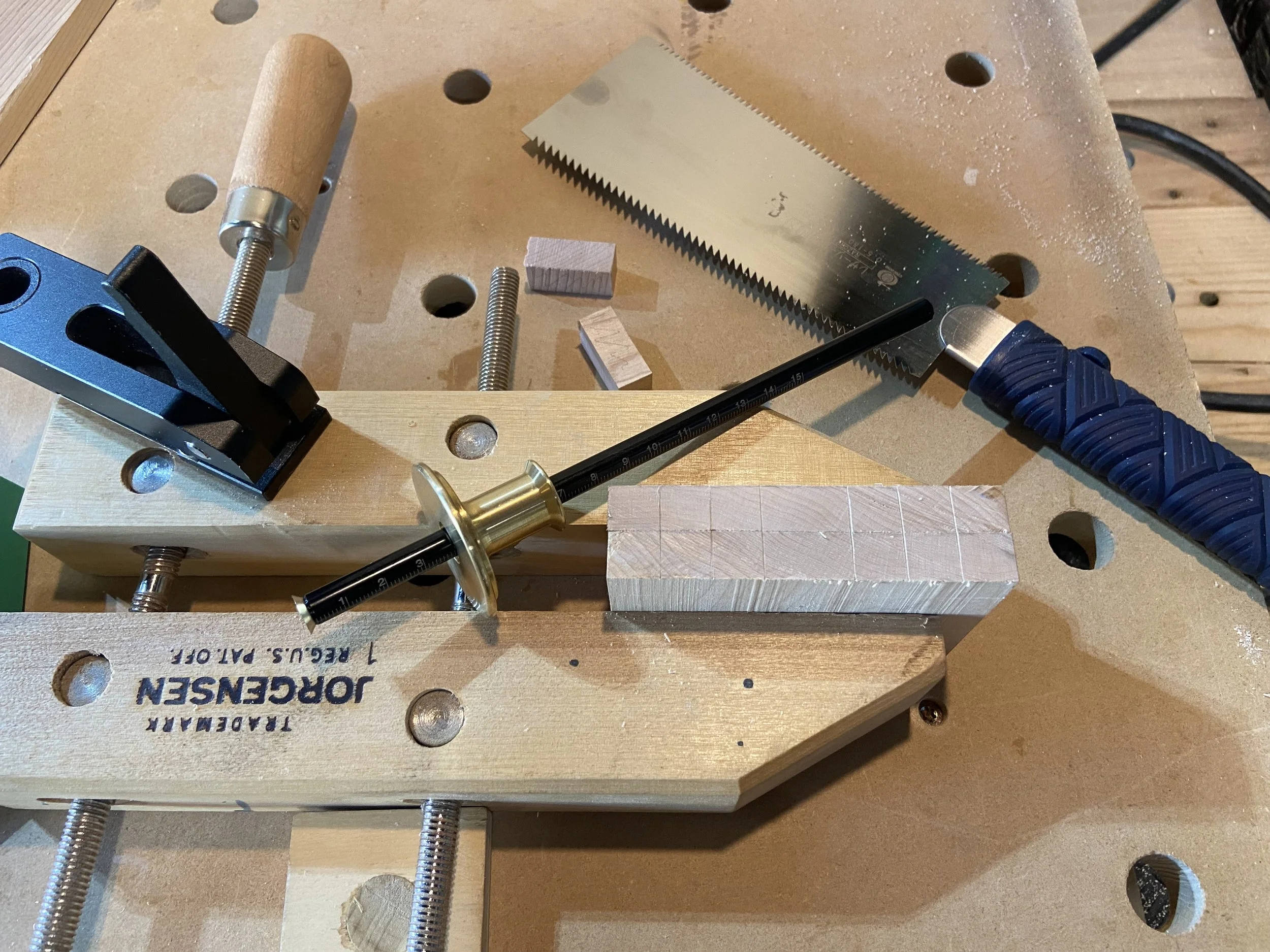
Finishing a piece is nice, but it’s never really the point for me. What I actually love is the hour before that—hands full of sawdust, half-guessing what the wood wants to be, adjusting as I go instead of following a rigid plan. Mistakes turn into features. Plans change midway. That unpredictability is the whole appeal. A finished object is just a snapshot of a longer conversation between me, the material, and the tool in my hand.
Have an odd, specific object in mind—something that needs a maker, not a catalog? I’d like to hear from you!